
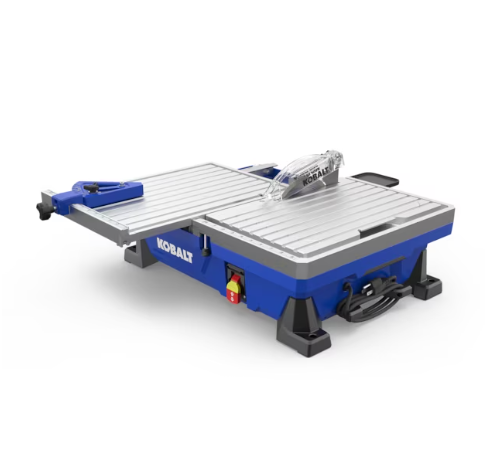
Kobalt 6 -Amp 7.0-in -Blade Wet Tabletop Sliding Table Tile Saw
- 7-In sliding tabletop tile saw features an innovative smooth sliding table that delivers 18-in of rip cutting capacity, allowing users to cut 12-in by 12-in tile diagonally with a maximum depth of cut of 1-1/4-in
- Universal 6-amp motor generates up to 5,200-RPM to easily cut ceramic, porcelain, natural stone, pavers and a variety of tile
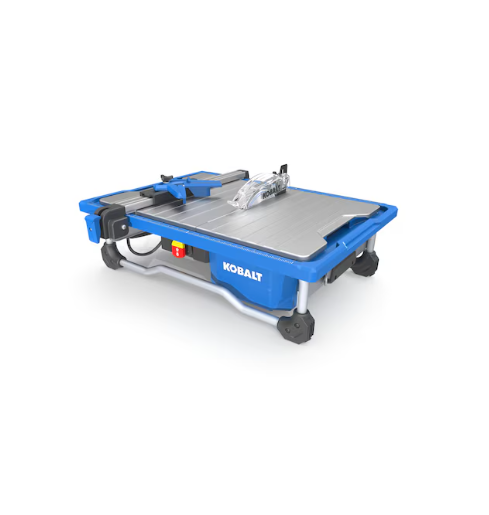
Kobalt 5 -Amp 7-in -Blade Wet Tabletop Tile Saw
- Large table surface delivers 24-in rip cutting capacity with a max 13-in diagonal cut
- Cuts ceramic, porcelain and natural stone with a maximum depth of cut of 1-1/4-in
- Clear blade guard provides better visibility of the blade
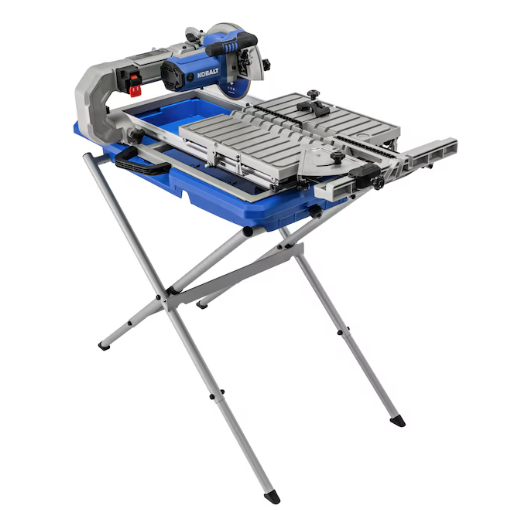
Kobalt Folding Head 9 -Amp 7-in -Blade Sliding Table Tile Saw with Stand
- Folding head design allows for compact storage and transportation (see video for unfolding operation)
- T-shaped front table telescoping extension provides for up to 30 inch rip capacity
- Adjustable tile clamp provides support and stability when cutting smaller tiles and narrow cuts
From Weekend Warrior to Professional Precision – Everything You Need to Know About Choosing and Using the Right Kobalt Tile Saw
Standing in the power tool aisle, surrounded by the gleaming metal and colorful plastic of countless tile saws, many DIY enthusiasts and professionals alike find themselves overwhelmed by choice. Among the sea of options, one brand consistently catches the eye with its distinctive blue and silver design: Kobalt tile saws. But what makes these tools special, and how do you know if a Kobalt tile saw is right for your project?
Whether you’re planning to retile your bathroom, install a stunning kitchen backsplash, or tackle a large-scale renovation, understanding the ins and outs of Kobalt tile saw technology can make the difference between a frustrating weekend of cracked tiles and a smooth, professional-looking installation that you’ll be proud to show off for years to come.
The world of tile cutting has evolved dramatically over the past decade. Gone are the days when a simple score-and-snap tool was sufficient for most projects. Today’s larger format tiles, varied materials, and increasingly complex patterns demand precision tools that can handle everything from delicate ceramic subway tiles to robust porcelain slabs. This is where the Kobalt tile saw enters the picture, offering a compelling blend of affordability, functionality, and reliability that has earned it a devoted following among both DIYers and professional contractors.
Understanding the Kobalt Advantage: What Sets These Saws Apart
When examining what makes a Kobalt tile saw stand out in a crowded marketplace, several key factors emerge that explain their growing popularity. First and foremost is the brand’s commitment to delivering professional-grade features at prices that don’t require a second mortgage. This philosophy has resulted in a line of tile saws that consistently punch above their weight class, offering capabilities typically reserved for much more expensive tools.
The engineering behind Kobalt tile saws reflects a deep understanding of what both professionals and serious DIYers actually need in their daily work. Rather than loading these tools with gimmicky features that look impressive in marketing materials but add little practical value, Kobalt has focused on the fundamentals: powerful motors, stable cutting platforms, effective water cooling systems, and intuitive controls that make precise cuts achievable even for less experienced users.
One of the most impressive aspects of the Kobalt tile saw design philosophy is how these tools manage to deliver consistent performance across different price points. Whether you’re looking at an entry-level model for occasional home projects or a heavy-duty unit for daily professional use, you’ll find the same attention to detail in critical areas like blade alignment, fence accuracy, and overall build quality.
Choosing the Best Kobalt Tile Saw for Your Home Projects
Selecting the ideal Kobalt tile saw for home projects requires careful consideration of several factors that will directly impact your cutting experience and final results. The first and most important consideration is understanding the scope of your projects. Are you planning a single bathroom renovation, or do you envision tackling multiple tiling projects over the coming years? This distinction will significantly influence which Kobalt tile saw model will serve you best.
For homeowners embarking on their first major tiling project, the compact Kobalt tile saw models offer an excellent entry point. These saws typically feature 7-inch blades and are designed to handle the most common residential tiling tasks with ease. They excel at cutting standard ceramic and porcelain tiles up to 12 inches square, making them perfect for bathroom floors, shower surrounds, and kitchen backsplashes. The manageable size and weight of these models also make them ideal for homeowners who need to transport their saw between different work areas or store it in limited space.
More ambitious DIYers who plan to work with larger format tiles or tackle multiple rooms should consider stepping up to a mid-range Kobalt tile saw with a 10-inch blade. These models offer significantly increased cutting capacity while still maintaining the user-friendly features that make Kobalt saws accessible to non-professionals. The larger blade diameter allows for cleaner cuts through thicker materials and provides the capability to handle tiles up to 24 inches on the diagonal, opening up possibilities for working with contemporary large-format tiles that have become increasingly popular in modern design.
The cutting capacity consideration extends beyond just tile size to include material thickness and hardness. Natural stone tiles, thick porcelain slabs, and specialty materials like glass tiles each present unique challenges that require adequate power and the right blade selection. A Kobalt tile saw with a robust motor and proper water cooling system will handle these materials with confidence, while a underpowered saw might struggle, resulting in chipped edges or incomplete cuts.
Understanding Kobalt Tile Saw Pricing and Value
The cost of a Kobalt tile saw varies considerably based on size, features, and intended use, but the brand consistently offers exceptional value across its entire range. Entry-level models typically start around $150-200, making them accessible to homeowners who want quality results without a significant investment. These compact saws include all the essential features needed for successful tile cutting: a reliable motor, effective water cooling, and accurate cutting guides.
Mid-range Kobalt tile saw models, priced between $300-600, represent the sweet spot for many users. These saws offer expanded cutting capacity, more powerful motors, and enhanced features like adjustable cutting heads and improved fence systems. For homeowners planning multiple projects or contractors who need reliable performance without premium pricing, these models deliver outstanding value.
Professional-grade Kobalt tile saws can range from $600-1200, competing directly with premium brands while often offering comparable features at lower prices. These top-tier models include advanced features like laser cutting guides, extended cutting capacities, and heavy-duty construction designed to withstand daily use. Even at these higher price points, Kobalt tile saws typically cost 20-30% less than comparable models from premium brands, making them attractive to budget-conscious professionals.
When evaluating the cost of a Kobalt tile saw, it’s important to consider the total cost of ownership beyond the initial purchase price. This includes the cost of replacement blades, maintenance requirements, and the potential need for upgrades as your skills and project requirements evolve. Kobalt’s commitment to providing affordable replacement parts and accessories helps keep long-term ownership costs reasonable.
Where to Purchase Your Kobalt Tile Saw
Finding and purchasing a Kobalt tile saw is straightforward, thanks to the brand’s strong retail presence and online availability. Lowe’s serves as the primary retail partner for Kobalt tools, and their extensive network of physical stores allows customers to see and handle Kobalt tile saws before making a purchase decision. This hands-on experience can be invaluable when choosing between different models or comparing features.
The Lowe’s partnership also means that Kobalt tile saw purchases often come with additional benefits like extended warranty options, professional assembly services, and access to knowledgeable staff who can provide guidance on model selection and accessories. Many Lowe’s locations also offer tool rental programs, allowing potential buyers to try a Kobalt tile saw on a short-term basis before committing to a purchase.
Online purchasing through Lowe’s website expands the available selection and often provides access to exclusive online deals and bundle offers. The website’s detailed product descriptions, customer reviews, and comparison tools make it easier to research different Kobalt tile saw models and make informed decisions. Online orders can typically be shipped to your home or held for pickup at a local store, providing flexibility in how you receive your new saw.
Third-party retailers and online marketplaces also carry Kobalt tile saws, though availability may be more limited. When purchasing from these sources, it’s important to verify that you’re buying from authorized dealers to ensure warranty coverage and authentic products. Some contractors and professionals prefer to work with specialized tool suppliers who can provide additional services like bulk pricing, technical support, and expedited delivery options.
Mastering Kobalt Tile Saw Operation
Learning to use a Kobalt tile saw effectively involves understanding both the basic operation principles and the subtle techniques that separate amateur cuts from professional results. The fundamental operation is straightforward: the tile is positioned on the cutting table, aligned with the fence or cutting guide, and then pushed through the spinning blade while water provides cooling and dust suppression. However, achieving consistently excellent results requires attention to numerous details that can make or break your tiling project.
Proper setup is crucial for Kobalt tile saw success. This begins with ensuring the saw is positioned on a stable, level surface with adequate space around all sides for maneuvering tiles and supporting cut pieces. The water pump system should be primed and flowing smoothly before making any cuts, as inadequate cooling can quickly damage both the blade and the tile. Taking time to check blade alignment and fence squareness before beginning work will prevent frustrating problems later in the project.
The cutting technique itself involves more finesse than many users initially realize. Rather than forcing the tile through the blade, the optimal approach is to apply steady, moderate pressure while allowing the blade to do the work. Rushing the cut or applying excessive pressure often results in chipped edges, particularly with harder materials like porcelain or natural stone. The Kobalt tile saw design includes features like variable speed controls and smooth sliding mechanisms that help users maintain proper cutting pace and pressure.
Different tile materials require slight adjustments to cutting technique. Ceramic tiles generally cut easily with standard techniques, while porcelain requires more patience and consistent pressure to prevent chipping. Natural stone tiles may need multiple passes to achieve clean cuts, particularly on thicker pieces. Understanding these material-specific requirements and adjusting your Kobalt tile saw technique accordingly will dramatically improve your cutting results.
Exploring Cutting Capacity and Capabilities
The cutting capacity of a Kobalt tile saw varies significantly between models, but even entry-level units offer impressive capabilities for most residential projects. Understanding these specifications helps ensure you choose a saw that can handle your current project requirements while providing room for future growth. Cutting capacity encompasses several different measurements: maximum tile size, cutting depth, diagonal cutting capability, and the types of materials the saw can effectively handle.
Standard Kobalt tile saw models with 7-inch blades typically offer cutting capacities of 12-14 inches for straight cuts and 8-9 inches for diagonal cuts. This capacity easily handles most common residential tiles, including subway tiles, standard ceramic squares, and smaller porcelain pieces. The cutting depth usually ranges from 1-2 inches, sufficient for most tile thicknesses plus underlayment materials.
Larger Kobalt tile saw models with 10-inch blades significantly expand cutting possibilities. These saws often accommodate tiles up to 24 inches square and can handle diagonal cuts on tiles up to 18 inches. The increased blade size also provides greater cutting depth, typically 2-3 inches, which becomes important when working with thick natural stone tiles or multiple layers of material. This expanded capacity opens up possibilities for working with large-format tiles that have become increasingly popular in contemporary design.
Professional-grade Kobalt tile saws may offer even greater cutting capacities, with some models accommodating tiles up to 36 inches or more. These large-capacity saws often include features like sliding cutting heads or adjustable tables that facilitate handling oversized tiles while maintaining cutting accuracy. For contractors working on commercial projects or high-end residential installations involving very large tiles, these capabilities become essential.
Professional Applications and Performance
While Kobalt tile saws are often associated with DIY projects, many models deliver professional-grade performance that makes them viable options for contractors and professional installers. The key factors that determine professional suitability include build quality, cutting accuracy, durability under heavy use, and the availability of support services and replacement parts.
Professional contractors typically evaluate Kobalt tile saws based on their ability to maintain cutting accuracy over extended periods of use. This requires not only precise initial calibration but also components that resist wear and maintain their tolerances over time. Higher-end Kobalt tile saw models incorporate features like sealed bearings, reinforced cutting tables, and precision-machined components that support professional-level performance standards.
The duty cycle capability of a Kobalt tile saw becomes crucial in professional applications where the saw may run continuously for hours at a time. Professional-grade models typically feature larger motors with enhanced cooling systems and heavy-duty components designed to handle sustained operation without overheating or performance degradation. This reliability is essential for contractors who cannot afford downtime during critical project phases.
Cost considerations also play a significant role in professional Kobalt tile saw adoption. Many contractors find that Kobalt tile saws offer an attractive balance of performance and price, particularly for specialized applications or backup equipment. The lower initial investment compared to premium brands allows contractors to allocate budget to other tools or maintain multiple saws for different applications without excessive capital outlay.
Blade Selection and Compatibility
Understanding blade selection for your Kobalt tile saw is crucial for achieving optimal cutting results across different tile materials and applications. Kobalt tile saws typically use industry-standard blade mounting systems, providing access to a wide variety of blade options from multiple manufacturers. This compatibility ensures that users can select the optimal blade for their specific cutting requirements without being limited to a single brand’s offerings.
The blade size is the first consideration, with Kobalt tile saw models available in 7-inch, 8-inch, and 10-inch configurations. Larger blades generally provide cleaner cuts and greater cutting depth but require more powerful motors and larger saw platforms. The blade diameter also affects cutting speed, with larger blades typically cutting faster through thick materials while smaller blades offer more precise control for detailed work.
Diamond blade selection for Kobalt tile saws involves understanding the different bond types and segment designs available. Continuous rim blades provide the smoothest cuts for ceramic and porcelain tiles but may cut more slowly than segmented blades. Turbo blades offer a compromise between cutting speed and finish quality, making them versatile choices for mixed material projects. Understanding these differences helps users select the optimal blade for their Kobalt tile saw and specific project requirements.
Blade quality significantly impacts cutting performance and longevity. While cheaper blades may seem attractive initially, they often wear quickly and provide poor cutting results. Investing in quality diamond blades for your Kobalt tile saw typically pays dividends through faster cutting, cleaner edges, and longer blade life. Many professional installers recommend having multiple blades available for different materials and applications.
Water Systems and Cooling Technology
The water cooling system is a critical component of any Kobalt tile saw, serving multiple essential functions that directly impact cutting quality and blade longevity. Understanding how these systems work and how to maintain them properly ensures optimal performance and prevents costly damage to both the saw and your tiles. Kobalt tile saws incorporate various water delivery systems, from simple gravity-fed designs to sophisticated pump-driven circulation systems.
The primary function of the water system in a Kobalt tile saw is cooling the blade during cutting. Diamond blades generate significant heat during operation, and without adequate cooling, they can quickly lose their cutting effectiveness or suffer permanent damage. The water also serves to suppress dust generation, which is not only a health concern but can also interfere with cutting accuracy by obscuring cutting lines and clogging saw mechanisms.
Different Kobalt tile saw models employ various water delivery methods. Entry-level models often use simple gravity-fed systems where water flows from a reservoir through tubes to the blade area. These systems are reliable and easy to maintain but may provide less consistent water flow, particularly as the reservoir level drops. More advanced Kobalt tile saw models include electric pumps that provide consistent water pressure and flow regardless of reservoir level.
Proper water system maintenance is essential for Kobalt tile saw longevity and performance. This includes regular cleaning of water lines, filters, and reservoirs to prevent clogging and bacterial growth. Using clean water and periodically adding anti-algae treatments helps maintain system cleanliness. Some users prefer to use specific tile cutting lubricants rather than plain water, as these products can improve cutting performance and reduce blade wear.
Maintenance and Cleaning Protocols
Maintaining your Kobalt tile saw properly extends its lifespan, ensures consistent cutting performance, and prevents costly repairs. Effective maintenance involves both daily cleaning procedures and periodic deeper maintenance tasks that address wear points and potential problems before they become serious issues. Understanding these requirements and establishing consistent maintenance routines will keep your Kobalt tile saw operating at peak performance for years.
Daily maintenance of a Kobalt tile saw begins with thorough cleaning after each use session. This involves removing all tile debris from the cutting area, cleaning the water system components, and ensuring that moving parts are free from accumulated dust and cutting residue. The blade should be inspected for damage or excessive wear, and the water reservoir should be emptied and refilled with clean water for the next use session.
The cutting table and fence system require particular attention during cleaning. Tile cutting generates fine dust and debris that can accumulate in guide channels and adjustment mechanisms, potentially affecting cutting accuracy over time. Regular cleaning of these components with compressed air or soft brushes helps maintain smooth operation and precise cuts. The Kobalt tile saw design typically includes removable components that facilitate thorough cleaning.
Motor maintenance for Kobalt tile saws involves keeping air intake screens clean and ensuring adequate ventilation around the motor housing. Most models use brushed motors that may require periodic brush replacement, though this is typically a long-term maintenance item for normal residential use. Professional users who operate their saws extensively may need more frequent motor maintenance to ensure reliable operation.
Periodic calibration checks help ensure that your Kobalt tile saw maintains cutting accuracy over time. This involves verifying fence squareness, checking blade alignment, and ensuring that cutting depth adjustments work properly. Many cutting problems that users attribute to blade issues are actually calibration problems that can be corrected with simple adjustments.
Warranty Coverage and Support
Understanding the warranty coverage provided with Kobalt tile saws helps protect your investment and provides peace of mind when purchasing these tools. Kobalt typically offers comprehensive warranty coverage that compares favorably with other brands in the same price range, reflecting the company’s confidence in their product quality and manufacturing standards. The specific warranty terms vary by model and purchase date, making it important to review the documentation provided with your specific Kobalt tile saw.
Standard warranty coverage for Kobalt tile saws typically includes protection against manufacturing defects and premature component failure under normal use conditions. This coverage usually extends for three to five years from the purchase date, depending on the specific model and whether you’re a professional or residential user. Some components like motors and electronic controls may have extended coverage periods, while wear items like blades and brushes are typically excluded from warranty coverage.
The warranty registration process for Kobalt tile saws is generally straightforward and can often be completed online. Proper registration ensures that you receive warranty coverage and may provide access to product updates, safety notices, and special offers on accessories and replacement parts. Keeping purchase receipts and warranty documentation in a safe place helps facilitate any future warranty claims.
Kobalt’s customer service and technical support infrastructure provides multiple channels for obtaining assistance with Kobalt tile saw issues. This includes phone support, online chat services, and extensive online documentation including user manuals, troubleshooting guides, and instructional videos. The availability of knowledgeable support staff can be invaluable when dealing with setup questions, operational issues, or warranty claims.
Achieving Precision Cuts: Techniques and Tips
Achieving consistently accurate cuts with your Kobalt tile saw requires understanding both the technical capabilities of the tool and the proper techniques for different cutting scenarios. Precision cutting involves careful attention to setup, proper cutting technique, and understanding how different tile materials respond to the cutting process. Mastering these elements transforms a Kobalt tile saw from a simple cutting tool into a precision instrument capable of professional-quality results.
Accurate measurement and marking form the foundation of precision cutting. Before approaching the Kobalt tile saw, tiles should be carefully measured and marked using appropriate tools. A quality tile square and pencil or marker ensure accurate layout lines, while allowing for any necessary adjustments based on actual field measurements. Taking time to double-check measurements before cutting prevents costly mistakes and material waste.
Fence alignment and adjustment play a crucial role in Kobalt tile saw accuracy. The fence should be checked for squareness to the blade before beginning any cutting session, and minor adjustments should be made as needed. Most Kobalt tile saw models include adjustment mechanisms that allow fine-tuning of fence position and angle. Understanding how to use these adjustments effectively enables users to compensate for minor variations in tile size or achieve specific cutting angles.
Cutting technique significantly impacts both accuracy and cut quality. The optimal approach involves positioning the tile firmly against the fence, starting the cut slowly to establish the groove, and then maintaining steady pressure while allowing the blade to cut at its natural pace. Forcing the cut or rushing through thick materials often results in chipped edges or wandering cuts that compromise the final installation quality.
Large Format Tile Capabilities
Working with large format tiles presents unique challenges that require specific capabilities from your Kobalt tile saw. These oversized tiles, often measuring 12×24 inches or larger, have become increasingly popular in contemporary design but demand tools capable of handling their size and weight while maintaining cutting accuracy. Understanding which Kobalt tile saw models can effectively handle large format tiles helps ensure successful project completion.
The physical dimensions of large format tiles require Kobalt tile saws with extended cutting capacities and adequate table support. Models with 10-inch blades and sliding cutting heads are typically better suited for these applications than compact 7-inch models. The additional table surface and extended fence systems help support large tiles during cutting, reducing the risk of breakage and improving cut accuracy.
Handling large format tiles safely requires careful attention to technique and workspace setup. The weight and awkward dimensions of these tiles make them challenging to maneuver, particularly when making precise cuts. Kobalt tile saw models with rolling stands or extended tables provide better support for large tiles, while proper lifting techniques and adequate workspace organization help prevent accidents and tile damage.
Cutting large format tiles often requires multiple passes or scoring techniques, particularly with very thick or hard materials. Understanding how to use your Kobalt tile saw for these advanced techniques expands its capabilities and enables successful completion of challenging projects. This might involve making partial cuts from both sides of thick tiles or using specialized scoring techniques for controlled breaking of oversized pieces.
Replacement Parts and Service Support
Access to replacement parts and service support is a crucial consideration when investing in a Kobalt tile saw, particularly for users who plan extensive use or operate in professional environments. The availability of genuine parts, reasonable pricing, and responsive service channels can significantly impact the long-term value and usability of your saw. Understanding Kobalt’s parts and service infrastructure helps inform purchasing decisions and ensures continued operation over the tool’s lifespan.
Common replacement parts for Kobalt tile saws include blades, water pump components, motor brushes, and various wear items like fence components and adjustment mechanisms. Kobalt maintains an extensive parts inventory through their retail partners and online channels, making most common replacement parts readily available. The standardization of many components across different Kobalt tile saw models helps simplify parts identification and ordering.
Parts pricing for Kobalt tile saws generally reflects the brand’s value-oriented positioning, with replacement components typically costing significantly less than comparable parts for premium brands. This cost advantage extends the economic life of Kobalt tile saws by making repairs more cost-effective compared to replacement. Major components like motors and cutting heads are also available, though their cost may approach that of a new entry-level unit in some cases.
The parts ordering process typically involves working with Lowe’s customer service or accessing online parts diagrams and ordering systems. Having your Kobalt tile saw model number and serial number readily available streamlines the parts identification process and ensures you receive the correct components. Some parts may be available for immediate pickup at local Lowe’s stores, while others may require ordering with shipping delivery.
Assembly and Setup Procedures
Proper assembly and initial setup of your Kobalt tile saw ensures safe operation, optimal performance, and longevity of the tool. Most Kobalt tile saw models arrive partially assembled, requiring final assembly of components like stands, fences, and water systems. Understanding the assembly process and taking care to follow proper procedures prevents problems and ensures that your saw operates as designed from the first use.
The assembly process typically begins with reviewing the included documentation and identifying all components and hardware. Kobalt tile saw packaging generally includes detailed assembly instructions, parts lists, and safety information that should be thoroughly reviewed before beginning assembly. Taking time to organize components and hardware before starting assembly helps ensure efficient completion and reduces the likelihood of missing steps or using incorrect fasteners.
Stand assembly represents a critical step for many Kobalt tile saw models, as the stability and levelness of the stand directly impact cutting accuracy and safety. The assembly process typically involves connecting leg components, installing cross-braces, and mounting the saw unit to the completed stand. Ensuring that all connections are properly tightened and that the assembled stand is stable and level provides the foundation for accurate cutting performance.
Water system setup requires particular attention to ensure proper operation and prevent leaks or other problems. This typically involves installing water lines, connecting pumps, and filling reservoirs while checking for proper flow and any potential leak points. Testing the water system before making any cuts helps identify and address any issues while they’re easily correctable.
Initial calibration of fence alignment, blade position, and cutting depth settings completes the setup process. Most Kobalt tile saw models include adjustment procedures in their documentation, and taking time to properly calibrate these settings before beginning work ensures optimal cutting performance from the start.
Material Compatibility: Porcelain, Ceramic, and Beyond
Understanding the material compatibility of your Kobalt tile saw helps ensure successful cutting across different tile types and expands the range of projects you can tackle with confidence. Different tile materials present unique cutting challenges related to hardness, brittleness, and internal structure, requiring appropriate blade selection and cutting techniques for optimal results. Kobalt tile saws are designed to handle a wide variety of tile materials when properly configured and operated.
Ceramic tiles represent the most common and generally easiest material to cut with a Kobalt tile saw. The relatively soft composition of most ceramic tiles allows for fast cutting with minimal blade wear and excellent edge quality. Standard continuous rim diamond blades work well for most ceramic applications, providing smooth cuts with minimal chipping. The consistent composition of ceramic tiles also makes them forgiving of minor technique variations, making them ideal for novice users.
Porcelain tiles present greater challenges due to their harder, denser composition and reduced porosity. Cutting porcelain effectively with a Kobalt tile saw requires sharper blades, slower cutting speeds, and more consistent technique. The increased hardness also accelerates blade wear, making blade selection and replacement more critical for porcelain projects. However, when cut properly, porcelain provides excellent edge quality and is less prone to moisture-related problems during cutting.
Natural stone tiles encompass a wide variety of materials with different cutting characteristics. Softer stones like marble and travertine cut relatively easily but may be prone to chipping if not handled carefully. Harder stones like granite and slate require more aggressive blades and patient cutting techniques. The Kobalt tile saw platform can handle most natural stone materials when equipped with appropriate blades and operated with proper technique.
Glass tiles and specialty materials represent the most challenging cutting applications for any tile saw. These materials often require specialized blades and cutting techniques to prevent chipping, cracking, or other damage. While Kobalt tile saws can cut these materials successfully, users should expect slower cutting speeds and potentially higher blade costs for specialty applications.
Conclusion: Making the Right Choice for Your Projects
Selecting and using a Kobalt tile saw effectively requires understanding the various models available, their capabilities, and how to match these capabilities to your specific project requirements. Whether you’re a homeowner embarking on your first tiling project or a professional contractor evaluating equipment options, Kobalt tile saws offer compelling combinations of performance, features, and value that merit serious consideration.
The key to success with any Kobalt tile saw lies in proper selection, setup, and operation. Understanding the cutting capacity, material compatibility, and operational requirements of different models helps ensure that you choose a saw capable of handling your current and future projects. Proper assembly, calibration, and maintenance procedures keep your saw operating at peak performance while extending its useful life.
The growing popularity of Kobalt tile saws reflects their ability to deliver professional-quality results at accessible price points. For many users, these tools represent the optimal balance of capability and cost, providing the features needed for successful tiling projects without unnecessary complexity or expense. Whether you choose an entry-level model for occasional home projects or a professional-grade unit for daily use, understanding how to maximize the capabilities of your Kobalt tile saw will help ensure successful, satisfying results for all your tiling endeavors.