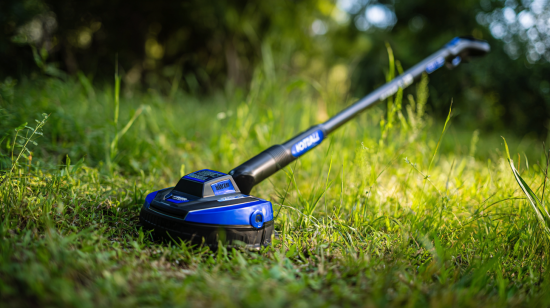

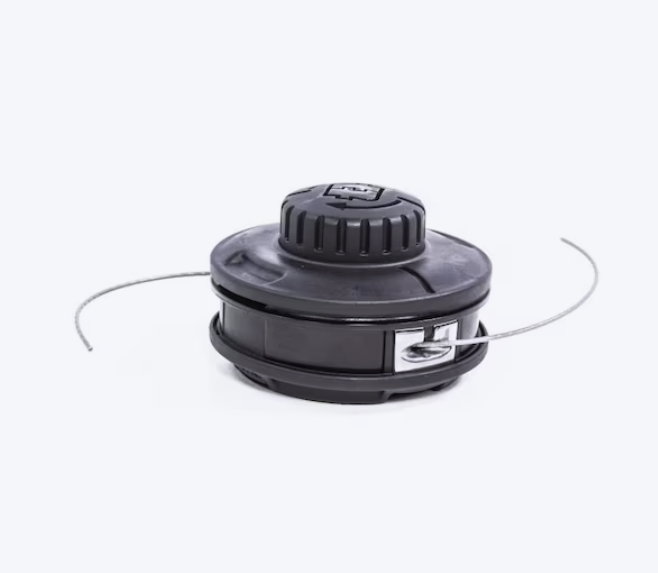
Kobalt Universal Fit 0.080-in Line String Trimmer Replacement Head
- Kobalt 80v replacement spool, with easy wind head, fits the Kobalt 80V string trimmer item 623439 and 670250
- Includes 15-ft of 0.080-in premium dual line
- Dual line for fast, clean cuts
Unleash Professional-Grade Performance with the Right Trimmer Head Selection
When it comes to maintaining a pristine lawn and tackling unruly vegetation, the Kobalt weed eater head stands as a cornerstone component that can make or break your outdoor maintenance experience. This seemingly simple yet ingeniously engineered piece of equipment transforms your trimmer from a basic cutting tool into a precision landscaping instrument capable of handling everything from delicate grass edges to stubborn overgrowth.
In the realm of lawn care equipment, Kobalt has carved out a reputation for delivering professional-grade performance at consumer-friendly prices. Their weed eater heads exemplify this philosophy, combining innovative design with robust construction to create trimming solutions that satisfy both weekend warriors and professional landscapers. Understanding the intricacies of these essential components can dramatically improve your lawn care efficiency while extending the life of your equipment.
What is a Kobalt Weed Eater Head?
The Kobalt weed eater head represents the business end of your string trimmer, serving as the rotating cutting assembly that transforms electrical or mechanical power into precise vegetation management. Unlike traditional fixed-blade cutting tools, these heads utilize flexible nylon strings that spin at high velocities to slice through grass, weeds, and light brush with remarkable efficiency.
At its core, a Kobalt weed eater head consists of several key components working in harmony. The housing assembly provides structural integrity while protecting internal mechanisms from debris and impact damage. The spool system holds and feeds trimmer line as needed, ensuring consistent cutting performance throughout your trimming session. Advanced models incorporate spring-loaded mechanisms that automatically advance fresh line when existing segments become worn or break during operation.
The engineering behind these heads reflects decades of refinement in outdoor power equipment design. Kobalt’s approach emphasizes user-friendly operation while maintaining the durability necessary for regular use. The heads feature precision-balanced construction that minimizes vibration during operation, reducing user fatigue while improving cutting accuracy. This attention to detail extends to the materials selection, with high-impact plastics and reinforced mounting points ensuring longevity even under demanding conditions.
What sets Kobalt weed eater heads apart from generic alternatives is their integration with the broader Kobalt ecosystem. These heads are specifically engineered to work seamlessly with Kobalt trimmer models, ensuring optimal performance and reliability. The company’s commitment to backward compatibility means that newer head designs often work with older trimmer models, protecting your investment while providing access to the latest innovations.
Comprehensive Guide to Replacing Your Kobalt Weed Eater Head
Replacing a Kobalt weed eater head requires careful attention to detail but can be accomplished by most users with basic mechanical aptitude. The process begins with ensuring your trimmer is completely powered down and disconnected from any power source. For battery-operated models, remove the battery entirely. For gas-powered units, allow the engine to cool completely before beginning work.
The first step involves securing the trimmer shaft to prevent rotation during head removal. Most Kobalt trimmers feature a shaft lock mechanism or require you to insert a tool through a designated hole to immobilize the drive shaft. Locate this feature on your specific model, as the exact mechanism varies between trimmer designs. Some models utilize a simple button that locks the shaft when pressed, while others require inserting a screwdriver or Allen wrench through an access hole.
Once the shaft is secured, focus on the head removal process. Kobalt typically employs left-handed threads on their trimmer heads, meaning you’ll turn the head clockwise to loosen it rather than the conventional counterclockwise direction. This reverse threading prevents the head from loosening during normal operation due to the rotational forces generated during trimming. Apply steady pressure while turning, as heads may be tightly secured from previous use or thread-locking compounds.
If the head proves difficult to remove, several techniques can help break it free. Penetrating oil applied to the threads and allowed to sit for several minutes often helps loosen stubborn connections. Heat application using a hair dryer can expand the metal threads slightly, making removal easier. Never use excessive force or impact tools, as these can damage the delicate threading or internal drive mechanisms.
Installing the new head reverses this process, with special attention paid to proper alignment and threading. Clean the mounting threads thoroughly before installation, removing any grass clippings, dirt, or old thread-locking compound. Apply a thin layer of appropriate thread locker if specified by the manufacturer, then thread the new head counterclockwise until hand-tight. Use the shaft locking mechanism again to apply final tightening, being careful not to over-tighten and potentially strip the threads.
Understanding Kobalt Weed Eater Head Compatibility
The question of compatibility when selecting a Kobalt weed eater head encompasses several important considerations that directly impact performance and reliability. Kobalt designs their heads using standardized mounting systems that ensure broad compatibility across their trimmer lineup, but understanding the specific requirements for your model prevents costly mistakes and ensures optimal performance.
Thread compatibility forms the foundation of successful head selection. Kobalt predominantly uses metric threading systems, with M10 x 1.25 left-hand threads being among the most common configurations. However, variations exist across different model years and trimmer designs, making it essential to verify the specific threading requirements for your unit. The trimmer manual typically contains this information, or you can measure the existing head’s threading using appropriate gauges.
Beyond basic mounting compatibility, consider the head’s design characteristics and how they align with your intended applications. Bump-feed heads offer convenience for light to moderate trimming tasks, automatically advancing fresh line when the head is tapped against the ground during operation. Fixed-line heads provide maximum cutting efficiency for heavy-duty applications but require manual line replacement when segments break or wear down.
Drive system compatibility represents another crucial consideration often overlooked by users. Kobalt trimmers utilize different drive mechanisms depending on the model and power output. Direct-drive systems provide maximum power transfer but may be more sensitive to head weight and balance. Clutch-driven systems offer protection against sudden stops but may require specific head designs to function properly.
Professional-grade Kobalt trimmers often feature dual-line heads that provide increased cutting efficiency compared to single-line designs. These heads require specific spool configurations and line management systems, making universal compatibility more challenging. However, the improved performance often justifies the added complexity, particularly for users tackling large properties or commercial applications.
Some Kobalt models also support specialty head attachments, including metal blade assemblies for heavy brush cutting and edging attachments for precise lawn border maintenance. These specialized attachments typically require specific mounting systems and may not be compatible with all trimmer models. Always verify compatibility before purchasing specialty attachments to avoid disappointment and potential equipment damage.
Sourcing Quality Replacement Kobalt Weed Eater Heads
Finding the right Kobalt weed eater head requires navigating a landscape of suppliers, quality levels, and pricing structures that can significantly impact your satisfaction and equipment performance. Understanding where to source these critical components ensures you receive genuine parts that maintain your trimmer’s reliability and performance standards.
Lowe’s Home Improvement stores serve as the primary retail channel for Kobalt products, including replacement weed eater heads. As the exclusive retailer for the Kobalt brand in North America, Lowe’s maintains comprehensive inventory of replacement parts and accessories. Their knowledgeable staff can help identify the correct head for your specific trimmer model and provide guidance on installation procedures. The in-store experience allows you to physically examine parts before purchase and compare different options side by side.
Online purchasing through Lowe’s website expands access to the complete Kobalt parts catalog, including specialized heads that may not be stocked in all physical locations. The website’s part finder tool streamlines the selection process by allowing you to input your trimmer model number and view compatible accessories. Customer reviews and detailed product descriptions help inform purchase decisions, while convenient home delivery saves time and effort.
Third-party retailers and online marketplaces offer alternative sourcing options, but require careful attention to authenticity and quality. Genuine Kobalt parts carry specific part numbers and packaging that distinguish them from aftermarket alternatives. While aftermarket heads may offer cost savings, they often compromise on materials quality, precision manufacturing, and compatibility assurance that genuine parts provide.
When evaluating potential suppliers, consider factors beyond initial cost. Shipping times, return policies, and customer service quality all impact the overall purchasing experience. Some suppliers offer bulk discounts for multiple heads or combination packages that include trimmer line and other maintenance supplies. These bundled offerings often provide better overall value while ensuring you have necessary supplies on hand for ongoing maintenance.
Local small engine repair shops represent another valuable resource for sourcing quality replacement heads. These specialists often maintain relationships with parts distributors and can order specific components when needed. Their expertise in identifying correct parts and providing installation guidance adds value that may justify slightly higher costs compared to big-box retailers.
Understanding Kobalt Weed Eater Head Pricing Dynamics
The cost structure for Kobalt weed eater head replacements reflects a balance between manufacturing quality, engineering complexity, and market positioning that influences both initial purchase decisions and long-term ownership costs. Understanding these pricing dynamics helps budget effectively while ensuring you receive appropriate value for your investment.
Basic bump-feed heads typically range from fifteen to thirty dollars, representing the most affordable entry point for replacement needs. These heads offer reliable performance for standard residential trimming applications while maintaining the cost-effectiveness that makes Kobalt attractive to budget-conscious consumers. The price variation within this category often reflects differences in construction quality, line capacity, and ease of line loading.
Professional-grade heads command premium pricing, typically ranging from forty to seventy dollars depending on features and capabilities. These heads incorporate advanced materials, precision manufacturing, and enhanced durability that justify the higher cost for demanding applications. Features like quick-loading line systems, reinforced construction, and compatibility with heavier trimmer lines contribute to the increased value proposition.
Specialty heads, including metal blade assemblies and brush cutting attachments, occupy the highest price tier, often exceeding one hundred dollars for complete assemblies. While these costs may seem substantial, they reflect the specialized engineering and materials required for heavy-duty applications. The long-term value becomes apparent when considering the cost of hiring professional services for tasks these attachments enable you to complete yourself.
Several factors influence the final cost beyond the base head price. Trimmer line compatibility affects ongoing operational costs, with some heads requiring expensive specialty lines while others work with affordable generic options. Installation complexity may necessitate professional service for some users, adding labor costs to the total investment. Warranty coverage and expected lifespan also influence the total cost of ownership calculation.
Seasonal pricing fluctuations affect availability and cost, with peak demand during spring and summer months sometimes leading to temporary price increases. Planning ahead and purchasing replacement heads during off-season periods can provide cost savings while ensuring availability when needed. Some retailers offer end-of-season clearance pricing that provides excellent value for forward-thinking consumers.
Generic and aftermarket alternatives often promise significant cost savings, but evaluating their true value requires considering performance, reliability, and compatibility factors. While initial savings may be substantial, poor fit, reduced durability, or performance issues can ultimately result in higher costs through premature replacement, equipment damage, or reduced efficiency.
Exploring Advanced Features of Kobalt Weed Eater Heads
Modern Kobalt weed eater head designs incorporate sophisticated engineering features that enhance user experience while improving cutting performance and operational reliability. These innovations represent the evolution of what was once a simple string-spinning mechanism into precision tools that address real-world challenges faced by lawn care enthusiasts and professionals.
The automatic line advance mechanism stands as one of the most significant innovations in trimmer head design. Kobalt’s bump-feed systems utilize spring-loaded mechanisms that advance fresh line when the head contacts the ground during operation. This seemingly simple feature eliminates the need to stop work and manually adjust line length, dramatically improving efficiency during extended trimming sessions. The mechanism’s sensitivity is carefully calibrated to advance line when needed while preventing excessive line release that would waste material and reduce cutting effectiveness.
Advanced spool systems incorporated in premium Kobalt heads address the perennial challenge of line tangling and binding. Traditional spools often allow line to cross-wind or nest in ways that prevent smooth feeding during operation. Modern designs feature guide systems and spool geometries that encourage proper line lay and smooth release. Some models incorporate dual-spool systems that isolate individual line segments, preventing tangling while enabling independent replacement of worn sections.
Load and lock line systems represent another significant advancement in user convenience and operational efficiency. These systems enable quick line replacement without tools or complex threading procedures. Users simply insert pre-cut line segments into designated slots, rotate the spool to lock the line in place, and resume operation. This innovation reduces downtime during intensive trimming sessions while eliminating the frustration associated with traditional line loading procedures.
Vibration dampening technology built into premium heads reduces user fatigue while improving cutting accuracy. Strategic material placement and design geometry work together to minimize the transmission of operational vibrations to the user’s hands and arms. This feature becomes particularly important during extended use periods where accumulated fatigue can impact performance and comfort.
Heavy-duty construction features distinguish professional-grade heads from basic consumer models. Reinforced mounting points, impact-resistant housings, and premium materials enable these heads to withstand the demanding conditions encountered in commercial applications. Metal wear plates protect critical surfaces from abrasion damage, while sealed bearing systems prevent contamination that could affect smooth operation.
Some advanced heads incorporate cutting line retention systems that prevent accidental line loss during operation. These systems use mechanical clips or spring-loaded mechanisms to secure line ends while allowing controlled release during normal operation. This feature reduces line waste while ensuring consistent cutting performance throughout the trimming session.
Mastering Kobalt Weed Eater Head Line Installation
Proper line installation in your Kobalt weed eater head directly impacts cutting performance, operational efficiency, and user satisfaction during trimming tasks. Understanding the correct procedures and techniques ensures optimal results while maximizing the lifespan of both the line and the head assembly itself.
The process begins with selecting appropriate line for your specific head design and intended applications. Kobalt heads typically accommodate round monofilament line in various diameters, with 0.080-inch being the most common for residential applications. Thicker lines provide increased cutting power for tough vegetation but may require more powerful trimmers to maintain proper rotation speed. Thinner lines offer easier handling and reduced power requirements but may break more frequently when encountering obstacles.
Preparing the head for line installation requires careful disassembly and cleaning of internal components. Remove the spool assembly according to your specific head design, taking note of component orientation and any directional arrows that indicate proper reassembly. Clean all surfaces thoroughly, removing accumulated grass clippings, dirt, and debris that could interfere with smooth operation. Inspect the spool for wear or damage that might affect line feeding or retention.
Line length calculation depends on your head’s specific design and intended usage patterns. Most bump-feed heads accommodate twelve to twenty feet of total line length, split between multiple cutting segments. Measure carefully, as insufficient line reduces cutting efficiency while excessive line can cause feeding problems or create dangerous whipping during operation. Many manufacturers provide specific length recommendations that optimize performance for their head designs.
Threading the line through the head requires attention to directional arrows and guide channels that ensure proper installation. Begin by identifying the entry points on your spool, which may be located on the side or bottom depending on the design. Insert the line according to the manufacturer’s specifications, typically starting from the center and working outward to prevent crossing and tangling. Maintain consistent tension during installation to ensure even line lay on the spool.
Winding direction plays a critical role in proper line advance during operation. Most heads require clockwise winding when viewed from above, but some designs specify counterclockwise rotation. Following the correct direction ensures that operational forces assist line advancement rather than inhibiting it. Wind the line evenly across the spool width, avoiding overlap or gaps that could cause feeding irregularities.
Securing line ends requires careful attention to the retention mechanisms built into your specific head design. Some heads feature slots or notches that hold line ends temporarily during assembly, while others use spring-loaded clips or mechanical locks. Ensure adequate line extends beyond the head housing for initial cutting operation, typically two to four inches per side for dual-line heads. Excessive line extension can cause balance problems and increased power consumption.
Optimal Trimmer Line Sizing for Kobalt Heads
Selecting the correct trimmer line size for your Kobalt weed eater head involves balancing cutting performance, power requirements, and equipment limitations to achieve optimal results across various applications. Understanding these relationships enables informed decisions that maximize efficiency while protecting your investment in quality equipment.
The 0.080-inch diameter represents the most versatile choice for general residential applications, providing excellent balance between cutting power and equipment compatibility. This size effectively handles typical grass trimming, light weed control, and edge maintenance tasks while remaining within the power capabilities of most consumer-grade trimmers. The moderate diameter reduces stress on drive systems while providing sufficient cutting action for routine lawn maintenance.
Lighter 0.065-inch line offers advantages for precision work and less powerful trimmer models. This thinner option reduces power requirements significantly, making it ideal for battery-powered units or older trimmers with reduced output capability. The decreased mass also enables faster acceleration and more responsive operation during detailed work around delicate plants or landscape features. However, the reduced diameter may limit effectiveness against tough or woody vegetation.
Heavy-duty 0.095-inch or 0.105-inch line provides maximum cutting power for challenging applications involving thick weeds, light brush, or overgrown areas. These larger diameters deliver superior cutting action against stubborn vegetation while maintaining better resistance to breaking when encountering obstacles. Professional landscapers often prefer these sizes for commercial applications where cutting efficiency directly impacts productivity and profitability.
Line shape variations offer additional performance benefits beyond diameter considerations. Square or twisted line profiles provide enhanced cutting action compared to round alternatives, with edges that slice more effectively through vegetation. These specialty profiles often perform like larger diameter round line while requiring less power, making them attractive for users seeking improved performance without upgrading equipment.
Material composition affects durability, flexibility, and cutting characteristics in ways that complement size selection. Premium copolymer lines offer superior flexibility and impact resistance compared to basic nylon alternatives. This enhanced durability reduces break frequency while maintaining cutting effectiveness over extended use periods. Some lines incorporate additives that improve visibility for safer operation or reduce noise generation for residential applications.
Color coding systems help identify different line sizes and types quickly, reducing confusion during replacement procedures. Many manufacturers use consistent color schemes that indicate specific diameters or performance characteristics. Understanding these systems streamlines selection and ensures correct installation without requiring careful measurement of existing line remnants.
Environmental considerations may influence line selection beyond basic performance requirements. Biodegradable options address environmental concerns while maintaining acceptable cutting performance for many applications. These alternatives decompose naturally if left in landscaped areas, reducing long-term environmental impact compared to conventional synthetic lines.
Assessing Kobalt Weed Eater Head Durability
The durability characteristics of Kobalt weed eater head assemblies reflect sophisticated engineering that balances performance requirements with longevity expectations across diverse operating conditions. Understanding these durability factors helps users make informed decisions while establishing realistic maintenance schedules that preserve equipment reliability.
Construction materials play a fundamental role in determining operational lifespan and resistance to common failure modes. Kobalt employs high-impact engineering plastics in critical structural components, providing excellent resistance to impact damage while maintaining dimensional stability under thermal cycling. These materials resist degradation from ultraviolet exposure, temperature extremes, and chemical exposure from fuels or cleaning products commonly encountered in outdoor power equipment applications.
The internal mechanism durability depends heavily on precision manufacturing tolerances and component selection. Spring systems that provide automatic line advance undergo extensive fatigue testing to ensure reliable operation through thousands of activation cycles. Bearing surfaces receive special attention to minimize wear while maintaining smooth operation under the high-speed conditions typical of trimmer operation. Premium models often incorporate metal wear plates at critical contact points to extend operational life significantly.
Impact resistance represents a critical durability factor given the challenging conditions encountered during typical trimming operations. Kobalt heads undergo extensive testing against impacts from rocks, roots, fence posts, and other common obstacles that can cause sudden shock loads. The housing design distributes impact forces across large areas while protecting internal mechanisms from damage. Sacrificial wear points allow controlled failure modes that protect more expensive internal components.
Environmental resistance ensures reliable operation across diverse climate conditions and seasonal variations. Sealed designs prevent moisture intrusion that could affect internal lubrication or cause corrosion of metal components. Temperature resistance enables operation from winter storage conditions through hot summer days without performance degradation or premature material failure. Chemical resistance protects against degradation from common lawn care products and fuel system additives.
User maintenance practices significantly influence actual durability outcomes regardless of design quality. Regular cleaning removes accumulated debris that can cause premature wear or binding of moving components. Proper line installation techniques prevent stress concentrations that could lead to housing cracks or mechanism damage. Appropriate operating techniques minimize unnecessary stress while maximizing effective cutting action.
Failure mode analysis reveals common durability limitations that inform both design improvements and user education. Line retention system wear represents one of the most common long-term issues, typically manifesting as difficulty maintaining proper line extension during operation. Housing cracks usually result from severe impacts or over-tightening during installation rather than normal operational stresses. Spring mechanism fatigue becomes apparent through reduced line advance sensitivity or complete failure to advance during bump operations.
Troubleshooting Common Kobalt Weed Eater Head Issues
When your Kobalt weed eater head begins exhibiting performance problems, systematic troubleshooting can often identify and resolve issues without requiring professional service or component replacement. Understanding common problems and their solutions empowers users to maintain peak performance while minimizing downtime and repair costs.
Line feeding problems represent the most frequent complaint among trimmer users, often manifesting as line that fails to advance during bump operations or feeds excessively during normal use. Begin diagnosis by examining the bump mechanism for debris accumulation or damage that might prevent proper operation. Clean all surfaces thoroughly, paying special attention to the spring chamber and activation points where dirt commonly accumulates. Verify that line installation follows manufacturer specifications, as improper winding direction or incorrect line routing can prevent smooth feeding.
If cleaning doesn’t resolve feeding issues, inspect the internal spring mechanism for damage or fatigue. Weak springs fail to provide adequate force for reliable line advancement, while broken springs prevent operation entirely. Replace damaged springs with genuine Kobalt components to restore proper function. During reassembly, apply a light coating of appropriate lubricant to moving parts unless specifically prohibited by the manufacturer.
Head binding or seizure during operation typically results from debris accumulation, inadequate lubrication, or mechanical damage to rotating components. Power down the trimmer completely and allow moving parts to cool before beginning inspection. Remove the head assembly and examine all threaded connections for cross-threading, damage, or excessive debris buildup. Clean threads thoroughly using appropriate solvents and wire brushes, being careful not to damage delicate surfaces.
Excessive vibration during operation often indicates improper head installation, damaged mounting hardware, or unbalanced line distribution within the head. Verify that mounting threads engage properly and that the head seats completely against mounting surfaces. Check for cracked or damaged mounting components that could allow excessive movement during operation. Ensure line installation maintains proper balance, with equal lengths extending from opposite sides of dual-line heads.
Line breakage problems beyond normal wear patterns suggest compatibility issues, installation errors, or operational technique problems. Verify that line diameter matches head specifications and trimmer power capabilities. Examine line routing through the head for sharp edges or pinch points that could cause premature failure. Consider line quality factors, as inferior materials may break frequently despite proper installation and operation.
Inconsistent cutting performance often relates to line condition, head geometry, or operational speed variations. Inspect line ends for excessive wear, fraying, or melting that reduces cutting effectiveness. Replace worn line segments even if adequate length remains, as compromised line geometry significantly impacts cutting action. Verify that operational speed remains consistent during cutting, as speed variations affect cutting dynamics and line behavior.
Universal Head Compatibility with Kobalt Trimmers
The question of whether universal trimmer heads work effectively with Kobalt weed eater models involves complex compatibility considerations that extend beyond simple mechanical fit to encompass performance, reliability, and safety factors. Understanding these nuances helps users make informed decisions about aftermarket alternatives while avoiding potential problems.
Thread compatibility forms the primary compatibility barrier for universal heads, as thread specifications vary between manufacturers and even between model lines within the same brand. While some universal heads offer multiple mounting options or adapter systems, achieving proper fit requires careful verification of thread pitch, diameter, and hand orientation. Kobalt’s use of left-hand threads on many models complicates universal compatibility, as not all aftermarket options accommodate this configuration.
Drive system compatibility represents another critical consideration often overlooked during universal head selection. Kobalt trimmers utilize specific drive mechanisms optimized for their head designs, with torque characteristics and power delivery curves that may not align with universal alternatives. Mismatched systems can result in poor performance, premature wear, or even mechanical failure under demanding conditions.
Quality variations among universal head manufacturers create significant differences in performance and reliability that may not be apparent during initial evaluation. Premium universal heads often match or exceed original equipment quality, while budget alternatives may compromise on materials, manufacturing precision, or design optimization. These differences become apparent over time through reliability issues, performance degradation, or incompatibility problems.
Safety considerations become paramount when evaluating universal alternatives, as aftermarket heads may not undergo the same testing protocols required for original equipment. Proper balance, secure line retention, and impact resistance all affect operator safety during normal use. Universal heads that fail to meet these standards pose risks that far outweigh any potential cost savings.
Warranty implications require careful consideration before installing universal heads on Kobalt equipment. Using non-approved accessories may void warranty coverage for related components, potentially resulting in significant repair costs if problems develop. Review warranty terms carefully and consider the risk-benefit equation before proceeding with aftermarket alternatives.
Performance optimization often suffers when using universal heads designed for broad compatibility rather than specific trimmer characteristics. Kobalt engineers their heads to work optimally with their trimmer powerplants, transmission systems, and operational parameters. Universal alternatives may provide adequate basic function while sacrificing the refined performance characteristics that distinguish quality equipment.
Installation challenges may arise from dimensional differences or mounting system variations that complicate proper installation. Universal heads designed for multiple applications may not align perfectly with Kobalt mounting systems, requiring modifications or compromises that affect reliability or performance. Professional installation may be necessary to address these compatibility issues adequately.
Understanding Kobalt Weed Eater Head Warranty Coverage
Warranty protection for Kobalt weed eater head components provides valuable protection against manufacturing defects while establishing clear guidelines for coverage limitations and claim procedures. Understanding these warranty terms helps users maximize protection while avoiding actions that could void coverage inadvertently.
Kobalt typically provides warranty coverage ranging from one to three years for trimmer heads, depending on the specific model and intended application level. Consumer-grade heads generally receive standard warranty terms that cover manufacturing defects and material failures under normal operating conditions. Professional-grade components may qualify for enhanced warranty coverage that recognizes the demanding conditions encountered in commercial applications.
Coverage limitations exclude damage resulting from normal wear, misuse, modification, or failure to follow maintenance recommendations. Line feeding mechanisms, springs, and other wear components may have separate coverage terms that reflect their consumable nature. Understanding these limitations prevents unrealistic expectations while encouraging proper care and maintenance that maximizes component lifespan.
Manufacturing defect coverage encompasses problems that arise from inadequate materials, design flaws, or production errors that affect normal operation. These defects typically manifest shortly after initial use and include issues like premature cracking, mechanism binding, or failure to maintain proper assembly. Legitimate defect claims generally receive prompt resolution through replacement or repair services.
Proper documentation requirements for warranty claims include proof of purchase, model identification, and detailed problem descriptions that help service personnel understand the issue. Retaining original purchase receipts and product packaging simplifies the claim process while providing necessary information for service authorization. Digital photos showing problem areas can help expedite remote diagnosis and resolution.
Authorized service provider networks handle warranty claims and repairs, ensuring that work meets manufacturer standards while maintaining warranty validity. Using unauthorized repair services or attempting self-repair may void warranty coverage even for legitimate defect issues. Locate authorized service providers before problems arise to streamline resolution when needed.
Replacement part availability during the warranty period ensures that legitimate claims can be resolved promptly without extended equipment downtime. Kobalt maintains parts inventory to support warranty obligations, though some specialized components may require longer lead times. Understanding typical resolution timeframes helps plan alternative arrangements during warranty repair periods.
Extended warranty options may be available through retailers or third-party providers, offering protection beyond standard manufacturer coverage. Evaluate these options carefully, considering cost, coverage terms, and claim procedures before making decisions. Some extended warranties provide excellent value, while others duplicate existing coverage or impose restrictive limitations that reduce practical benefit.
Comparing Kobalt Against Competitive Trimmer Head Options
The competitive landscape for trimmer heads reveals significant differences in design philosophy, performance characteristics, and value propositions that influence purchase decisions for both Kobalt weed eater head buyers and those considering alternatives. Understanding these comparisons helps users select options that best match their specific requirements and budget constraints.
Stihl represents the premium end of the trimmer head market, with products that emphasize maximum durability and cutting performance for professional applications. Their heads typically command higher prices than Kobalt alternatives but often provide superior longevity and performance under demanding conditions. The AutoCut series features advanced line advance mechanisms and robust construction that justifies premium pricing for intensive commercial use.
Echo builds trimmer heads that balance performance and affordability, often positioning between Kobalt and premium alternatives in both cost and capability. Their Speed-Feed systems provide convenient line loading while maintaining reliability under regular use conditions. Material quality and manufacturing precision generally exceed basic alternatives while remaining more affordable than top-tier options.
Husqvarna focuses on innovative design features that address common user complaints about line feeding, installation complexity, and maintenance requirements. Their T-series heads incorporate quick-loading systems and enhanced durability that appeals to both professional and serious amateur users. Pricing typically aligns with other premium alternatives while offering unique features not found elsewhere.
Generic and store-brand alternatives promise significant cost savings but often compromise on quality, compatibility, and performance in ways that affect long-term satisfaction. These options may provide adequate basic function for light-duty applications while struggling with reliability and longevity under regular use. Manufacturing quality varies significantly among different generic suppliers.
Kobalt heads distinguish themselves through comprehensive compatibility within the Kobalt ecosystem, competitive pricing, and feature sets that address common user needs effectively. The automatic line advance systems work reliably without excessive complexity, while construction quality provides dependable service for typical residential applications. Parts availability through Lowe’s simplifies replacement and maintenance compared to some alternatives.
Performance testing reveals differences in cutting efficiency, line consumption, and operational smoothness that impact user experience and operating costs. Premium heads often deliver superior cutting action with less line consumption, reducing ongoing operating costs despite higher initial investment. Kobalt heads typically perform well in these comparisons while maintaining cost-effectiveness for budget-conscious users.
Innovation factors vary significantly between manufacturers, with some brands emphasizing traditional designs refined through experience while others pursue novel approaches to common problems. Kobalt generally adopts proven technologies while incorporating improvements that enhance user convenience and operational efficiency.
Heavy-Duty Applications and Kobalt Head Performance
Evaluating Kobalt weed eater head suitability for heavy-duty trimming applications requires understanding both the capabilities and limitations inherent in these consumer-focused designs. While Kobalt heads excel in typical residential scenarios, demanding professional applications may exceed their intended operating parameters.
Construction robustness determines heavy-duty application suitability more than any other single factor. Kobalt heads utilize high-impact plastics and reinforcement strategies appropriate for regular residential use, but may lack the extreme durability required for continuous commercial operation against tough vegetation. Professional landscapers working in challenging conditions often require heads with metal construction elements and enhanced impact resistance.
Power handling capabilities vary between different Kobalt head models, with some designed for lightweight battery trimmers while others accommodate more powerful gas units. Heavy-duty applications typically require heads capable of handling high torque loads without slipping or binding during operation. Verify that your selected head matches your trimmer’s power output to avoid performance limitations or mechanical problems.
Line capacity and feeding systems become critical factors during extended heavy-duty use where frequent line replacement would significantly impact productivity. Large-capacity heads reduce downtime while robust feeding mechanisms ensure reliable operation despite demanding conditions. Some Kobalt models incorporate features specifically designed for intensive use, while others target typical homeowner requirements.
Heat dissipation considerations become important during extended operation periods typical of commercial applications. Continuous high-speed operation generates significant heat that can affect plastic components and internal lubricants. Designs that incorporate adequate ventilation and heat-resistant materials perform better under sustained demanding conditions.
Cutting line compatibility affects heavy-duty performance significantly, as thicker, more aggressive lines often provide better results against tough vegetation. Verify that your chosen head accommodates the line sizes and types appropriate for your intended applications. Some heavy-duty scenarios benefit from specialty lines that standard heads cannot accommodate effectively.
Maintenance requirements increase substantially under heavy-duty conditions, with more frequent cleaning, lubrication, and inspection necessary to maintain reliable operation. Factor these requirements into your operational planning and budget considerations when evaluating Kobalt heads for demanding applications.
Alternative attachment options may better serve truly heavy-duty applications, with metal blade assemblies providing superior performance against woody vegetation and thick brush. These attachments require specific mounting systems and safety equipment but deliver cutting action that no string-based head can match.
Maintenance Excellence for Optimal Kobalt Head Performance
Establishing comprehensive maintenance routines for your Kobalt weed eater head dramatically extends component lifespan while ensuring consistent performance across diverse operating conditions. These systematic approaches address both preventive care and corrective maintenance that keeps equipment operating at peak efficiency.
Regular cleaning represents the foundation of effective maintenance, removing accumulated debris that causes premature wear and operational problems. After each use session, remove grass clippings, dirt, and vegetation fragments from all accessible surfaces using compressed air, soft brushes, or clean cloth. Pay particular attention to line exit ports and feeding mechanisms where buildup commonly occurs.
Deep cleaning procedures should be performed monthly or after extended use periods to address contamination that regular cleaning cannot remove. Disassemble the head according to manufacturer instructions, separating all removable components for individual attention. Use appropriate cleaning solutions that remove organic residues without damaging plastic or metal components. Avoid harsh chemicals or abrasives that could compromise material integrity.
Lubrication maintenance preserves smooth operation while reducing wear in moving components. Apply manufacturer-specified lubricants to spring mechanisms, pivot points, and threaded connections according to recommended schedules. Over-lubrication can attract debris and cause operational problems, while inadequate lubrication accelerates wear and may lead to mechanism failure.
Inspection routines identify developing problems before they result in equipment failure or safety hazards. Examine housing surfaces for cracks, stress concentrations, or impact damage that could compromise structural integrity. Check internal mechanisms for proper operation, unusual wear patterns, or component damage that affects performance. Replace worn or damaged components promptly to prevent secondary damage.
Line quality monitoring ensures optimal cutting performance while preventing problems associated with deteriorated cutting elements. Replace line segments that show excessive wear, fraying, or melting regardless of remaining length. Store replacement line in cool, dry conditions away from direct sunlight to prevent degradation before use.
Seasonal maintenance addresses specific requirements associated with storage and preparation for intensive use periods. Pre-season preparation includes comprehensive cleaning, lubrication, and inspection along with line replacement and adjustment verification. Post-season storage preparation protects components during extended storage while simplifying restart procedures when operation resumes.
Documentation practices help track maintenance history while identifying patterns that inform future care decisions. Record cleaning dates, part replacements, and performance observations that provide insights into equipment condition and maintenance effectiveness. This information proves valuable when troubleshooting problems or making replacement decisions.
Exploring Kobalt’s Diverse Weed Eater Head Portfolio
The Kobalt weed eater head product line encompasses diverse designs tailored for specific applications and user preferences, reflecting the company’s commitment to providing appropriate solutions across their trimmer ecosystem. Understanding these variations helps users select optimal configurations for their particular requirements and operating conditions.
Standard bump-feed heads represent the most common configuration, providing reliable automatic line advance suitable for typical residential trimming tasks. These heads balance convenience with performance while maintaining the cost-effectiveness that characterizes the Kobalt brand. Internal mechanisms utilize proven spring-loaded systems that advance fresh line when the head contacts hard surfaces during operation.
Quick-load head variants address user convenience concerns by simplifying line replacement procedures significantly. These designs eliminate complex threading requirements through innovative loading systems that accept pre-cut line segments without tools or detailed procedures. The time savings during line changes particularly benefit users who perform extensive trimming sessions requiring multiple line changes.
Heavy-duty models incorporate enhanced construction and larger line capacity for demanding applications that exceed standard head capabilities. Reinforced housing, improved impact resistance, and robust feeding mechanisms enable reliable operation under challenging conditions while maintaining compatibility with standard Kobalt trimmers. These heads often accommodate thicker cutting lines for improved performance against tough vegetation.
Dual-line configurations provide increased cutting efficiency compared to single-line alternatives, with two independently operating cutting elements that reduce cutting time while improving finish quality. The balanced design minimizes vibration while distributing cutting loads across multiple contact points. Installation and maintenance complexity increases compared to single-line heads but performance benefits often justify the additional effort.
Specialty attachment heads expand functional capabilities beyond basic string trimming, enabling brush cutting, edging, and other specialized tasks using the same power unit. These attachments typically require specific mounting systems and safety equipment but provide versatility that eliminates the need for multiple tools. Compatibility varies between trimmer models, requiring careful verification before purchase.
Professional-grade options target commercial users with enhanced durability, performance, and feature sets that justify premium pricing. These heads often incorporate advanced materials, precision manufacturing, and design optimizations not found in consumer alternatives. The improved reliability and performance characteristics support intensive use patterns typical of commercial landscaping operations.
Innovation initiatives continue expanding the head portfolio with new designs that address evolving user needs and technological possibilities. Recent introductions include noise-reduction features, improved balance characteristics, and enhanced compatibility systems that simplify selection and installation procedures.
Common Problems and Solutions for Kobalt Heads
Understanding typical Kobalt weed eater head problems and their effective solutions empowers users to maintain reliable operation while avoiding unnecessary service costs or premature replacement. These insights reflect common experiences across diverse operating conditions and user skill levels.
Line tangling within the head represents one of the most frustrating problems users encounter, typically resulting from improper installation, damaged feeding mechanisms, or line quality issues. Prevention begins with careful attention to line installation procedures, ensuring proper winding direction and tension during loading. Use only recommended line types and sizes to prevent compatibility problems that contribute to tangling issues.
When tangling occurs, complete disassembly and careful line removal usually resolves the immediate problem. Inspect the spool and housing for damage that might contribute to future tangling, replacing worn components as necessary. Clean all surfaces thoroughly before reinstalling fresh line according to manufacturer specifications.
Inconsistent line advance problems frustrate users who experience unreliable bump-feed operation or excessive line release during normal use. These issues often trace to worn spring mechanisms, debris accumulation, or incorrect line installation that interferes with proper feeding action. Begin diagnosis by cleaning all accessible surfaces and verifying line installation correctness.
Spring mechanism inspection requires disassembly but often reveals the root cause of advance problems. Weak or damaged springs prevent reliable line feeding and require replacement with genuine Kobalt components. During reassembly, ensure all components align properly and move freely without binding or interference.
Housing cracks typically result from impact damage, over-tightening during installation, or stress concentrations around mounting points. Minor cracks may be repairable using appropriate plastic welding or adhesive techniques, while major damage generally necessitates complete head replacement. Prevention through proper handling and installation techniques proves more effective than repair attempts.
Mounting thread damage occurs when heads are cross-threaded, over-tightened, or subjected to excessive side loads during operation. Clean damaged threads carefully using appropriate dies or thread-chasing tools when possible. Severe damage may require professional repair or complete replacement of affected components.
Poor cutting performance despite adequate line condition often indicates operational technique problems, incorrect line sizing, or trimmer power issues rather than head defects. Verify operational speed, cutting technique, and line specifications before assuming head problems. Sometimes simple adjustments in approach dramatically improve cutting effectiveness.
Professional Installation and Removal Techniques
Mastering proper Kobalt weed eater head installation and removal procedures ensures reliable operation while protecting expensive equipment from damage during service operations. These professional techniques reflect best practices developed through extensive field experience and manufacturer recommendations.
Preparation steps establish safe working conditions while protecting equipment from accidental damage during service procedures. Ensure the trimmer is completely powered down with battery removed or fuel tank empty depending on power source. Allow adequate cooling time for gas-powered units to prevent burns from hot engine components. Work in well-lit conditions with adequate space for tool access and component handling.
Tool selection affects both procedure efficiency and result quality, with proper tools preventing damage while simplifying complex procedures. Shaft locking mechanisms may require specific tools or techniques that vary between trimmer models. Identify required tools before beginning work to avoid delays or improper technique usage that could damage components.
Thread identification prevents costly mistakes during removal and installation procedures. Verify thread specifications using manufacturer documentation or careful measurement of existing components. Kobalt’s use of left-hand threads on many models requires attention to prevent confusion with conventional right-hand threading. Mark thread direction if necessary to avoid mistakes during reassembly.
Removal force application requires careful technique to prevent damage to delicate mounting systems or drive components. Apply steady pressure rather than impact loads, using appropriate leverage techniques when additional force is necessary. Penetrating oils often help break free stubborn connections without requiring excessive force that could damage components.
Installation procedures reverse removal steps while incorporating additional considerations for proper alignment and secure mounting. Clean all threaded surfaces thoroughly before assembly, removing debris and old thread-locking compounds that could prevent proper engagement. Apply appropriate thread-locking compounds when specified by manufacturer recommendations.
Torque specifications ensure adequate tightness without over-stressing components that could lead to thread damage or housing failure. Hand-tightening followed by moderate tool tightening usually provides appropriate torque levels for most applications. Avoid excessive force that could strip threads or crack housings, particularly with plastic components.
Final verification procedures confirm proper installation while identifying potential problems before equipment operation. Check for proper head alignment, secure mounting, and freedom of movement in rotating components. Verify line installation and extension before powering equipment for operational testing.
Heavy Vegetation and Brush Cutting Capabilities
Assessing Kobalt weed eater head performance against heavy vegetation and brush requires understanding both capabilities and limitations inherent in string-based cutting systems. While these heads excel against typical lawn care challenges, extremely demanding applications may exceed their intended operating parameters.
Vegetation density affects cutting performance more significantly than individual plant toughness, with thick stands of moderate vegetation often proving more challenging than scattered tough plants. String-based cutting relies on high-speed impact action that becomes less effective when multiple obstacles interfere with proper line extension and rotation speed. Plan cutting approaches that minimize simultaneous contact with multiple obstacles.
Line selection becomes critical for heavy vegetation applications, with larger diameter and specialized profile lines providing superior cutting action against tough materials. Twisted or square lines often outperform round alternatives against woody vegetation while maintaining reasonable power requirements. Verify that your head accommodates the line sizes appropriate for challenging applications.
Operational technique significantly influences cutting effectiveness against heavy vegetation, with proper approach angles and contact patterns maximizing cutting action while minimizing equipment stress. Use deliberate cutting motions rather than forced contact that can overload drive systems or cause premature line breakage. Allow line speed to build between cuts rather than maintaining continuous contact.
Equipment limitations become apparent when string-based cutting encounters truly challenging vegetation that exceeds design parameters. Woody stems over certain diameters resist string cutting regardless of technique, while dense root systems may require specialized tools for effective removal. Recognize these limitations and consider alternative approaches for extreme situations.
Safety considerations multiply during heavy vegetation cutting where line breakage and debris generation increase substantially. Use appropriate personal protective equipment including eye protection, long pants, and closed-toe shoes to prevent injury from flying debris. Maintain awareness of line condition and replace frequently to prevent dangerous line failure during operation.
Alternative cutting attachments may better serve applications involving substantial woody vegetation or thick brush cutting. Metal blade assemblies designed for specific trimmer models provide cutting action that no string-based system can match against truly challenging vegetation. These attachments require additional safety precautions but deliver results impossible with conventional heads.
Progressive cutting approaches often prove more effective than attempting to clear heavy vegetation in single passes. Begin with high cutting to remove upper growth, then progressively lower cutting heights to address remaining material systematically. This technique reduces stress on equipment while improving cutting effectiveness and personal safety.
Real User Experiences and Reviews
Customer feedback for Kobalt weed eater head products provides valuable insights into real-world performance characteristics, reliability patterns, and user satisfaction levels across diverse applications and operating conditions. These authentic experiences complement manufacturer specifications with practical perspectives that inform purchase decisions.
Positive user experiences consistently highlight the balance between performance and affordability that characterizes Kobalt products. Many customers appreciate the automatic line advance systems that function reliably without excessive complexity or maintenance requirements. The availability of replacement parts through Lowe’s stores receives frequent praise for convenience and competitive pricing compared to specialty dealers.
Installation convenience receives mixed reviews, with some users finding the process straightforward while others struggle with threading direction or component alignment. Clear instructions and proper tool identification appear to significantly influence user experience during installation procedures. Experienced users generally report fewer difficulties than those attempting their first head replacement.
Line feeding performance generates diverse feedback depending on application types and user expectations. Light to moderate residential trimming typically produces positive results, while heavy-duty applications sometimes reveal limitations in line advance consistency or capacity. Users who match head capabilities to application requirements generally report better satisfaction than those pushing equipment beyond intended limits.
Durability experiences vary substantially based on operating conditions, maintenance practices, and application severity. Users who follow recommended maintenance procedures and avoid extreme applications generally report satisfactory longevity that justifies the initial investment. Commercial users or those facing demanding conditions sometimes experience shorter service life than anticipated.
Compatibility issues occasionally surface in user reviews, particularly when attempting to use heads with older trimmer models or when mixing components from different manufacturers. Careful verification of compatibility specifications before purchase appears to prevent most of these problems, while improvised solutions rarely prove satisfactory long-term.
Value perception among users generally remains positive, with most customers feeling that performance and durability justify the purchase price for typical residential applications. Comparisons with premium alternatives often acknowledge superior features in more expensive options while recognizing that Kobalt provides adequate performance for most user requirements.
Common complaints focus on line loading complexity for certain head designs and occasional quality control issues affecting small percentages of production. These problems appear to be isolated rather than systematic, with most users reporting satisfaction with product quality and performance characteristics.
Professional landscaper feedback provides insights into commercial application suitability, with mixed results depending on specific use cases and expectations. Light commercial applications often prove satisfactory, while intensive commercial use may justify investment in more robust alternatives specifically designed for professional demands.
Your journey toward mastering Kobalt weed eater head selection, maintenance, and operation opens doors to enhanced lawn care efficiency while protecting your investment in quality outdoor power equipment. The knowledge gained through understanding these comprehensive aspects empowers you to make informed decisions that align with your specific requirements and operating conditions.
Whether you’re tackling routine residential maintenance or facing more demanding landscaping challenges, the insights provided here establish a foundation for successful equipment operation and maintenance. Remember that proper selection, installation, and care practices dramatically influence both performance and longevity, making the investment in understanding these systems worthwhile for anyone serious about effective lawn care.
The evolving landscape of trimmer head technology continues advancing through innovation and user feedback, promising even better solutions for future applications. By staying informed about these developments while mastering current equipment, you position yourself for continued success in maintaining beautiful outdoor spaces efficiently and effectively.