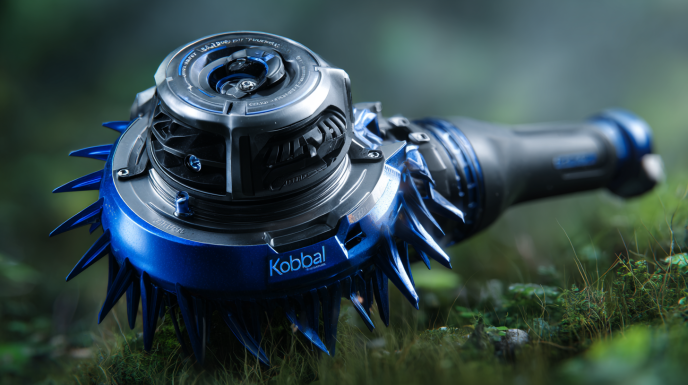


Kobalt 24V Heat gun
- Up to 1000°F MAX output temperature
- High/Low temperature settings for max convenience (550 degree Low/1000 degree High)
- Lock On/Off button for easy use
- LED light illuminates work area
From DIY Enthusiast to Professional Craftsperson – Discovering the Power and Precision of Kobalt’s Premier Heat Tool
When I first laid eyes on the Kobalt Heat Gun sitting on the hardware store shelf, I’ll admit I was skeptical. Another power tool promising to revolutionize my workshop? I’d heard it all before. But sometimes, the most unassuming tools turn out to be the game-changers, and this particular piece of equipment has completely transformed how I approach countless projects around my home and workshop.
The beauty of a quality heat gun lies not just in its raw power, but in its incredible versatility. Whether you’re a weekend warrior tackling your first paint removal project or a seasoned professional who demands reliability from your tools, the Kobalt Heat Gun represents a compelling blend of performance, affordability, and user-friendly design that’s worth serious consideration.
Understanding the Kobalt Heat Gun: More Than Just Hot Air
At its core, a heat gun is essentially a sophisticated hair dryer on steroids. But that simple description hardly does justice to the engineering marvel that sits behind the seemingly straightforward exterior of the Kobalt Heat Gun. This tool generates precisely controlled streams of hot air that can reach temperatures high enough to soften metal, yet gentle enough for delicate craft work when used with proper technique.
The Kobalt Heat Gun operates on the principle of electrical resistance heating, where electrical current passes through a heating element, converting electricity into thermal energy. What sets quality heat guns apart from basic models is their ability to maintain consistent temperatures, adjust heat levels smoothly, and direct airflow with precision. The Kobalt design achieves this through a combination of robust internal components and thoughtful engineering that prioritizes both performance and user safety.
The Remarkable Versatility: What Can You Actually Do With a Kobalt Heat Gun?
The question isn’t really what you can do with a Kobalt Heat Gun – it’s what you can’t do. This tool has become my go-to solution for an astounding variety of tasks that would otherwise require multiple specialized tools or professional services.
Paint removal stands as perhaps the most common application, and for good reason. The Kobalt Heat Gun softens old paint layers without the mess of chemical strippers or the aggressive action of sanders. I’ve used mine to strip decades-old paint from window frames, door trim, and outdoor furniture with remarkable efficiency. The key lies in understanding how different paint types respond to heat and adjusting your technique accordingly.
Beyond paint removal, the applications seem endless. I’ve used my Kobalt Heat Gun to shrink heat-shrink tubing in electrical projects, remove stubborn adhesive residue from surfaces, defrost frozen pipes during harsh winter months, and even assist in automotive bodywork by heating vinyl graphics for easier removal. The tool excels at loosening rusted bolts and nuts – a technique that has saved me countless hours of frustration in mechanical repairs.
For the craft enthusiast, the Kobalt Heat Gun opens up entirely new possibilities. Candle making becomes more precise when you can control wax temperature with such accuracy. Leather working benefits from the tool’s ability to help mold and shape leather pieces. Even woodworking projects can benefit from heat gun applications, such as accelerating wood stain penetration or creating unique textures through controlled charring.
Safety First: Mastering the Art of Heat Gun Operation
Working with a tool capable of generating temperatures exceeding 1000 degrees Fahrenheit demands respect and proper safety protocols. The Kobalt Heat Gun includes several built-in safety features, but operator awareness remains the most critical safety component.
Personal protective equipment forms the foundation of safe heat gun operation. Safety glasses protect your eyes from debris and reflected heat, while heat-resistant gloves prevent accidental burns from touching heated surfaces or the tool itself after extended use. I always keep a fire extinguisher within easy reach when working with the Kobalt Heat Gun, particularly during paint removal projects where old paint may contain lead or other hazardous materials.
Proper ventilation cannot be overstated in importance. Heat guns can release fumes from heated materials that range from merely unpleasant to genuinely dangerous. I always ensure adequate airflow in my work area, often supplementing natural ventilation with fans positioned to carry fumes away from my breathing zone.
Understanding heat buildup and cool-down procedures prevents both tool damage and personal injury. The Kobalt Heat Gun requires brief cool-down periods during extended use sessions, and I always allow the tool to run on cool setting for several minutes before storing it. This practice extends tool life and prevents accidental burns from touching a recently used heat gun.
Diving Deep Into Kobalt Heat Gun Features
The feature set of the Kobalt Heat Gun reveals the thoughtful engineering that goes into modern power tool design. Variable temperature control stands as perhaps the most crucial feature, allowing precise adjustment between low heat settings suitable for delicate work and maximum output for heavy-duty applications.
Most Kobalt Heat Gun models offer dual-speed fan settings, providing additional control over heat delivery and airflow. The slower fan speed concentrates heat in a smaller area for precision work, while the higher speed setting covers larger areas more quickly and helps prevent overheating of the heating element during extended use.
Ergonomic design elements make extended use sessions more comfortable and safer. The balanced weight distribution reduces hand fatigue, while the strategically placed trigger or switch allows natural operation without awkward hand positions. Many models include a built-in stand that allows hands-free operation for certain applications, though this feature should be used with extra caution and never left unattended.
The nozzle design and included accessories significantly expand the tool’s versatility. Concentrator nozzles focus heat into precise areas, while reflector nozzles distribute heat more evenly across larger surfaces. Some Kobalt Heat Gun models include specialized nozzles for specific applications like paint removal or plastic welding.
Investment Analysis: Understanding Kobalt Heat Gun Pricing
The cost of a Kobalt Heat Gun positions it strategically in the competitive landscape of heat gun options. Typically priced in the mid-range category, these tools offer compelling value when compared to both budget options and premium alternatives.
Entry-level Kobalt Heat Gun models generally start around $30-40, making them accessible to DIY enthusiasts who need occasional heat gun capabilities without breaking the budget. These models typically offer basic variable temperature control and standard airflow options, which prove adequate for most homeowner applications.
Mid-range models, usually priced between $50-80, incorporate additional features like digital temperature displays, multiple nozzle options, and enhanced ergonomic designs. These models represent the sweet spot for most users, offering professional-grade capabilities at reasonable prices.
Professional-grade Kobalt Heat Gun options can reach $100-150, incorporating features like precise temperature control, heavy-duty construction for extended use, and comprehensive accessory packages. For contractors and serious hobbyists who rely on their tools daily, these models justify their higher cost through improved reliability and expanded capabilities.
When evaluating cost, consider the tool’s intended use frequency and required features. A weekend DIYer might find perfect satisfaction with a basic model, while a professional painter would likely benefit from investing in a higher-end option with precise temperature control and robust construction.
Sourcing Your Kobalt Heat Gun: Where to Buy
The retail landscape for Kobalt Heat Gun purchases offers multiple options, each with distinct advantages depending on your specific needs and preferences.
Lowe’s Home Improvement stores serve as the primary retail channel for Kobalt tools, offering the advantage of hands-on examination before purchase. Store associates can provide valuable guidance on model selection and often have personal experience with the tools they sell. The ability to physically handle different models helps inform purchasing decisions, particularly for first-time heat gun buyers who want to assess ergonomics and build quality.
Online retailers provide convenience and often competitive pricing, with the added benefit of customer reviews that offer real-world usage insights. However, the inability to physically examine the tool before purchase represents a potential drawback, particularly for buyers unfamiliar with heat gun operation and features.
Local hardware stores and tool specialty shops sometimes carry Kobalt products, though selection may be limited compared to larger retailers. These venues often provide knowledgeable staff and personalized service that can prove invaluable for both tool selection and ongoing support.
Seasonal sales and promotional events can significantly impact Kobalt Heat Gun pricing, making timing an important consideration for budget-conscious buyers. Spring home improvement seasons and pre-winter preparation periods often feature attractive tool pricing that can stretch your budget further.
DIY Project Excellence: Why the Kobalt Heat Gun Shines
The Kobalt Heat Gun demonstrates particular strength in DIY applications where versatility and ease of use take precedence over specialized professional features. Its approachable design encourages experimentation and learning, making it an ideal tool for homeowners expanding their project capabilities.
Paint removal projects showcase the tool’s DIY-friendly nature. Unlike chemical paint strippers that require careful handling and disposal procedures, the Kobalt Heat Gun offers a more straightforward approach that many find less intimidating. The learning curve proves manageable for most users, with technique improvement coming naturally through practice.
Automotive enthusiasts find the Kobalt Heat Gun invaluable for various restoration and maintenance tasks. Removing vinyl graphics, softening rubber seals for installation, and even paint touch-up work become more manageable with the precise heat control these tools provide. The relatively modest investment makes sense for hobbyists who need occasional automotive heat gun capabilities without professional-grade pricing.
Home maintenance applications abound, from seasonal weatherproofing tasks to emergency repairs. I’ve used my Kobalt Heat Gun to remove old caulk, defrost outdoor spigots, and even help dry water-damaged areas more quickly than air drying alone. These practical applications justify the tool’s place in any well-equipped homeowner’s toolkit.
Mastering Temperature Control: Getting the Heat Just Right
Temperature adjustment represents one of the most critical skills in effective heat gun operation, and the Kobalt Heat Gun design makes this learning process more intuitive than many alternatives. Understanding how different materials respond to various temperature ranges forms the foundation of successful heat gun use.
Most Kobalt Heat Gun models feature variable temperature controls that allow adjustment from approximately 200°F for delicate work up to maximum temperatures around 1000°F for heavy-duty applications. The key lies in starting with lower temperatures and gradually increasing heat until achieving desired results, rather than immediately jumping to maximum settings.
Paint removal typically requires temperatures in the 400-600°F range, depending on paint type and substrate. Latex paints soften at lower temperatures, while oil-based paints and multiple paint layers often demand higher heat settings. I’ve learned to test temperature settings on inconspicuous areas first, allowing me to dial in optimal heat levels before tackling visible surfaces.
Plastic work requires particular temperature sensitivity, as the difference between successful shaping and material destruction can span mere degrees. Heat shrink tubing applications typically require temperatures around 200-300°F, while plastic welding might demand 600°F or higher. The Kobalt Heat Gun‘s responsive temperature control makes these precise applications achievable for careful operators.
Performance Benchmarks: Maximum Temperature Capabilities
The maximum temperature output of the Kobalt Heat Gun varies by model, but most units achieve peak temperatures between 1000-1100°F. This temperature range positions Kobalt models competitively within the consumer and semi-professional heat gun market, providing sufficient heat for virtually all common applications.
Understanding maximum temperature in context proves more valuable than simply knowing the peak number. At maximum temperature, the Kobalt Heat Gun can soften steel, making it useful for mechanical applications like loosening frozen bolts or forming light metal pieces. However, these extreme temperatures require extra safety precautions and careful technique to avoid damage to surrounding materials or injury to the operator.
Temperature consistency across the heat range represents another important performance metric where the Kobalt Heat Gun generally performs well. Quality temperature regulation prevents the hot spots and temperature fluctuations that can cause uneven heating and unpredictable results in precision applications.
Heat-up time provides another performance benchmark worth considering. Most Kobalt Heat Gun models reach operating temperature within 30-60 seconds, allowing quick transition from storage to productive work. This responsive performance makes the tool practical for spontaneous repairs and small projects where setup time matters.
Competitive Analysis: How Kobalt Stacks Up Against the Competition
The heat gun market includes numerous established brands, each with distinct strengths and market positioning. Comparing the Kobalt Heat Gun against competitors like Wagner, DeWalt, and Milwaukee reveals interesting trade-offs between price, features, and performance.
Wagner heat guns typically emphasize user-friendly features and broad accessory packages, often at price points similar to Kobalt options. However, many users report better durability and temperature consistency from Kobalt Heat Gun models, particularly under heavy use conditions. The simplified control schemes on many Kobalt models also appeal to users who prefer straightforward operation over complex feature sets.
DeWalt and Milwaukee represent the premium end of the heat gun market, offering professional-grade construction and advanced features at correspondingly higher prices. While these tools often surpass Kobalt Heat Gun performance in demanding professional applications, the price difference may not justify the performance gains for typical DIY and light commercial use.
Budget competitors like Black & Decker and Harbor Freight tools undercut Kobalt pricing but typically sacrifice build quality and feature sophistication. The Kobalt Heat Gun occupies a compelling middle ground, offering near-professional performance at accessible pricing that makes it attractive to both serious hobbyists and budget-conscious professionals.
Accessory availability and support represent additional competitive factors where Kobalt generally performs well. The widespread availability of Kobalt products through Lowe’s provides convenient access to replacement parts and accessories, an advantage not always available with specialized tool brands.
Paint Removal Mastery: Unleashing the Kobalt Heat Gun’s Primary Talent
Paint removal represents perhaps the most common application for the Kobalt Heat Gun, and mastering this technique opens up numerous home improvement possibilities. The tool’s effectiveness in paint removal stems from its ability to soften paint bonds without the chemical hazards of paint strippers or the aggressive material removal of sanders.
Successful paint removal begins with proper surface preparation and technique development. I start by cleaning the target surface to remove loose debris and dirt that might interfere with heat transfer. Setting the Kobalt Heat Gun to medium heat initially, I work in small sections, moving the tool continuously to avoid overheating any single area.
The optimal technique involves holding the heat gun 4-6 inches from the surface, moving it in slow, overlapping passes until the paint begins to bubble and soften. At this point, a putty knife or paint scraper removes the softened paint efficiently. The key lies in patience – rushing the process by using excessive heat often creates more problems than it solves.
Multiple paint layers require adjusted techniques and expectations. Older homes often feature numerous paint layers that respond differently to heat. I typically work through layers gradually, removing what comes easily and repeating the heating process for stubborn areas. This methodical approach prevents surface damage and ensures complete paint removal.
Safety considerations become particularly important during paint removal, especially in older homes where lead paint may be present. Proper ventilation, protective equipment, and lead-safe work practices are essential when using the Kobalt Heat Gun for paint removal in pre-1978 construction.
Accessory Ecosystem: Expanding Your Kobalt Heat Gun’s Capabilities
The accessory package included with your Kobalt Heat Gun significantly impacts its versatility and ease of use across different applications. Most models include basic nozzle attachments that expand the tool’s capabilities beyond simple hot air generation.
Concentrator nozzles focus heat into precise areas, making them ideal for applications like heat shrink tubing installation or detailed paint removal around intricate moldings. These nozzles typically reduce the air outlet to a small opening, concentrating both heat and airflow for maximum impact in tight spaces.
Reflector nozzles distribute heat more evenly across broader surfaces, making them useful for applications like paint removal on flat surfaces or plastic welding operations. The reflector design creates a more uniform heat pattern that reduces hot spots and provides more consistent results across larger work areas.
Scraper attachments integrate paint removal capabilities directly into the heat gun, eliminating the need for separate scraping tools in many applications. While these attachments prove useful for basic paint removal, I often prefer separate, high-quality scrapers for detailed work where precision and control matter most.
Glass protection nozzles allow safe heat gun use near glass surfaces by deflecting hot air around fragile materials. These specialized attachments make window restoration projects much safer and more practical for DIY enthusiasts who might otherwise avoid such work due to glass breakage concerns.
Some Kobalt Heat Gun models include or offer optional carrying cases that protect the tool and organize accessories. While not strictly necessary, these cases prove valuable for mobile work situations and help ensure accessories don’t get lost or damaged during storage.
Maintenance and Repair: Keeping Your Kobalt Heat Gun Running Strong
Regular maintenance extends the life of your Kobalt Heat Gun while ensuring consistent performance and safe operation. The relatively simple construction of these tools makes most maintenance tasks accessible to typical users with basic mechanical skills.
Cleaning represents the most important routine maintenance task. Heat guns accumulate debris and residue from various projects, and this buildup can affect performance and create safety hazards. I clean my Kobalt Heat Gun after each use session, paying particular attention to air intake areas where dust and debris commonly accumulate.
The air intake screen requires regular cleaning to maintain proper airflow through the heating element. A clogged intake reduces airflow, causing the heating element to run hotter and potentially shortening its life. I use compressed air to blow debris from the intake screen, taking care to work from the inside out to avoid pushing debris further into the tool.
Nozzle maintenance involves both cleaning and proper storage. Paint residue and other heated materials can accumulate on nozzles, affecting heat distribution and airflow patterns. I clean nozzles while they’re still warm using appropriate tools, taking care not to damage the nozzle shape or finish.
Cord inspection forms another crucial maintenance task. Heat guns generate high temperatures that can potentially damage power cords through radiant heat or accidental contact. I inspect my power cord regularly for signs of damage, paying particular attention to areas near the tool body where heat exposure is highest.
Internal cleaning requires more caution but proves necessary for tools that see heavy use. I periodically disassemble accessible portions of my Kobalt Heat Gun to remove accumulated debris from internal components. This task requires careful attention to reassembly procedures and should only be attempted by users comfortable with basic mechanical repairs.
Plastic Applications: Shrinking, Welding, and Shaping
The Kobalt Heat Gun‘s precise temperature control makes it exceptionally well-suited for various plastic applications that require careful heat management. These applications often demand more finesse than brute force, making the tool’s controllability more important than raw power.
Heat shrink applications represent perhaps the most common plastic use for heat guns. Whether shrinking electrical insulation, protective covering, or packaging materials, the Kobalt Heat Gun provides the controlled heat necessary for professional results. The key lies in using lower temperature settings and maintaining constant motion to ensure even shrinking without overheating.
Plastic welding opens up repair possibilities for broken plastic items that would otherwise require replacement. Using appropriate plastic welding rods and careful temperature control, the Kobalt Heat Gun can facilitate repairs to automotive trim pieces, lawn equipment housings, and countless other plastic components. This capability has saved me significant money on repairs that would otherwise require professional service or part replacement.
Plastic forming and shaping applications leverage the tool’s ability to soften thermoplastic materials for reshaping or forming operations. I’ve used my Kobalt Heat Gun to create custom plastic brackets, repair camping equipment, and even assist in prototype development projects. The controllable heat delivery makes these applications accessible to careful operators willing to practice their technique.
Vinyl and film applications include graphics removal, window tinting, and protective film installation. The Kobalt Heat Gun softens adhesives and makes material more pliable, simplifying what would otherwise be difficult or impossible tasks. Automotive detailing particularly benefits from these capabilities, making paint protection film installation and graphics work much more manageable.
Troubleshooting Common Issues: Solving Kobalt Heat Gun Problems
Like any power tool, the Kobalt Heat Gun can develop issues that affect performance or create operational problems. Understanding common problems and their solutions helps maintain productive tool operation and prevents minor issues from becoming major failures.
Insufficient heat output often indicates airflow restrictions or heating element problems. I first check the air intake screen for debris buildup that might restrict airflow through the heating chamber. If cleaning doesn’t resolve the issue, the heating element itself may require replacement, a repair that typically requires professional service or tool replacement depending on the model’s age and repair cost.
Inconsistent temperature control can result from various causes, including electrical issues, control component failures, or airflow problems. Variable temperature models rely on electronic controls that can fail over time, particularly if exposed to excessive dust or moisture. These failures usually require professional repair or replacement, as the electronic components are typically not user-serviceable.
Excessive noise during operation might indicate fan bearing wear or debris interference with moving parts. While some operational noise is normal, sudden increases in noise levels or unusual sounds warrant investigation. Fan replacement typically requires disassembly beyond most users’ comfort levels, making professional service advisable for these issues.
Power cord problems manifest as intermittent operation, overheating at the plug, or visible damage to the cord insulation. These issues create safety hazards and should be addressed immediately through cord replacement or professional service. I never attempt to repair damaged power cords myself, as improper repairs create electrocution and fire risks.
Overheating protection systems occasionally activate during normal use, particularly during extended operation sessions or in high ambient temperatures. While this protection prevents tool damage, frequent activation might indicate airflow restrictions, excessive ambient temperature, or pending component failure that warrants professional evaluation.
Longevity Expectations: How Long Will Your Kobalt Heat Gun Last?
The operational lifespan of a Kobalt Heat Gun depends heavily on usage patterns, maintenance quality, and operating conditions. With proper care and reasonable use, these tools typically provide years of reliable service that justifies their initial cost.
Light occasional use, such as typical homeowner applications, can extend tool life to a decade or more. The heating elements and electronic components in quality heat guns are designed for numerous heating cycles, and occasional use rarely stresses these components to their limits. Regular maintenance and proper storage further extend tool life under light use conditions.
Heavy professional use presents different longevity expectations. Contractors and professionals who use heat guns daily can expect several years of service, with component replacement needs arising sooner than in occasional use scenarios. However, the Kobalt Heat Gun‘s competitive pricing makes replacement economically viable even under demanding use conditions.
Component wear patterns typically affect heating elements first, followed by fan motors and electronic controls. The heating element bears the primary stress of operation and eventually degrades through repeated heating cycles. Quality tools like the Kobalt Heat Gun use robust heating elements designed for extended service life, but eventual replacement remains inevitable.
Environmental factors significantly impact tool longevity. Dusty conditions accelerate component wear and increase maintenance requirements. Extreme temperature environments, both hot and cold, stress electronic components and reduce tool life. Moisture exposure creates particular risks for electrical components and should be avoided whenever possible.
Warranty Protection: Understanding Your Coverage
The warranty coverage provided with your Kobalt Heat Gun represents an important consideration in the overall value proposition. Understanding warranty terms and proper claim procedures helps protect your investment and ensures access to support when problems arise.
Most Kobalt Heat Gun models include manufacturer warranties ranging from one to three years, depending on the specific model and intended use level. These warranties typically cover defects in materials and workmanship but exclude damage from misuse, accidents, or normal wear and tear. Reading warranty terms carefully helps set appropriate expectations and ensures proper tool care.
Warranty registration often improves coverage terms and simplifies claim processes. I always register new tools immediately after purchase, providing contact information and purchase documentation that streamlines future warranty interactions. Some manufacturers offer extended warranty options for additional fees that might prove worthwhile for professional users.
Proper documentation supports warranty claims and proves essential when problems arise. I maintain purchase receipts, warranty cards, and any service documentation in organized files that make warranty claims straightforward. Digital copies provide backup protection against lost documents and simplify remote warranty claim processes.
Understanding what constitutes normal wear versus warrantable defects helps avoid disappointment during warranty claim processes. Heating elements, for example, have finite service lives and may not be covered under warranty after extended use, while premature electronic control failures typically qualify for warranty replacement.
Cleaning and Maintenance: Preserving Performance and Safety
Developing systematic cleaning and maintenance routines ensures your Kobalt Heat Gun provides reliable service throughout its operational life. These relatively simple procedures prevent most common problems and maintain peak performance characteristics.
Post-use cleaning forms the foundation of effective maintenance. After each use session, I allow the tool to cool completely before cleaning external surfaces with appropriate cleaning agents. Paint residue, adhesive buildup, and general debris accumulate during use and can affect both performance and appearance if not removed regularly.
Air intake maintenance requires particular attention due to its direct impact on tool performance and safety. Restricted air intakes force heating elements to operate at higher temperatures, reducing their service life and creating potential overheating hazards. I inspect and clean intake screens weekly during periods of regular use, using compressed air to remove accumulated debris.
Nozzle care extends beyond simple cleaning to include proper storage and handling procedures. I store nozzles in organized containers that prevent damage from impacts or crushing. Some nozzles benefit from light lubrication on threads and attachment points to ensure smooth installation and removal.
Internal cleaning requires careful disassembly of accessible components to remove accumulated debris from internal air passages and around heating elements. This maintenance task demands mechanical aptitude and careful attention to reassembly procedures. When in doubt, I seek professional service rather than risking tool damage through improper disassembly.
Storage procedures impact tool longevity as much as active maintenance. I store my Kobalt Heat Gun in clean, dry locations protected from temperature extremes and physical damage. Proper storage includes ensuring complete cooling before storage and protecting power cords from damage during storage periods.
Crafting Applications: Beyond the Workshop
The Kobalt Heat Gun‘s precision and controllability make it valuable for various crafting applications that extend well beyond traditional workshop tasks. These creative applications often showcase the tool’s versatility and precision in ways that purely utilitarian uses might not demonstrate.
Candle making represents one of the most popular crafting applications for heat guns. The Kobalt Heat Gun provides precise temperature control for melting wax, creating textured surfaces, and achieving professional-looking finishes that would be difficult with traditional heating methods. The ability to direct heat exactly where needed makes complex candle designs more achievable for hobbyist candle makers.
Leather crafting benefits significantly from controlled heat application for forming, shaping, and finishing operations. The Kobalt Heat Gun can soften leather for molding applications, accelerate dye penetration, and create textured surfaces through controlled heat exposure. These capabilities expand leather working possibilities beyond what’s achievable through traditional hand tools alone.
Fabric arts occasionally benefit from heat gun applications, particularly in areas like fabric painting where heat can accelerate paint setting or create special effects. Some fabric manipulation techniques rely on controlled heat application to achieve desired textures or shapes. However, fabric work requires extreme care due to the flammability of most textile materials.
Jewelry making and metalworking crafts utilize heat guns for annealing, forming, and finishing operations on softer metals. While the Kobalt Heat Gun lacks the intensity for serious metalworking, it provides sufficient heat for working with copper, brass, and aluminum in craft applications. The precise temperature control makes these applications safer and more predictable than torch-based alternatives.
Model making and prototype development benefit from the tool’s ability to form and shape thermoplastic materials precisely. Whether working on architectural models, product prototypes, or hobbyist projects, the Kobalt Heat Gun enables material manipulation that would otherwise require specialized equipment or professional services.
Professional Applications: When DIY Meets Professional Standards
While the Kobalt Heat Gun targets the DIY and light commercial markets, its performance characteristics often exceed the requirements for professional applications where extreme durability and specialized features aren’t necessary. Understanding when this tool fits professional requirements helps contractors and tradespeople make informed equipment decisions.
Paint contractors find particular value in the Kobalt Heat Gun‘s combination of performance and affordability. For smaller paint removal projects or detail work where chemical strippers aren’t practical, these tools provide professional results at price points that make sense for occasional use applications. The tool’s reliability and consistent performance meet professional standards while keeping equipment costs manageable.
Automotive detail professionals often incorporate heat guns into their service offerings for graphics removal, paint protection film work, and various cosmetic repairs. The Kobalt Heat Gun‘s precise temperature control and manageable size make it practical for mobile detail operations where space and weight constraints matter.
Maintenance professionals in commercial and industrial settings use heat guns for various repair and maintenance tasks. The Kobalt Heat Gun‘s performance and reliability make it suitable for many of these applications, particularly where tool theft concerns make expensive professional tools impractical.
HVAC professionals find heat guns useful for refrigeration line work, insulation installation, and various repair tasks. While specialized HVAC tools exist for some applications, the Kobalt Heat Gun provides a cost-effective alternative for less frequent heat gun applications that don’t justify specialized tool investments.
Electrical contractors use heat guns for heat shrink applications, cable preparation, and various installation tasks. The Kobalt Heat Gun‘s controllable temperature output and reliable operation make it suitable for most electrical heat gun applications, providing professional results at attractive price points.
Tips and Techniques: Maximizing Your Kobalt Heat Gun’s Potential
Developing effective techniques transforms the Kobalt Heat Gun from a simple hot air generator into a precision tool capable of professional-quality results across diverse applications. These techniques often make the difference between satisfactory results and exceptional outcomes.
Temperature progression represents perhaps the most important technique for consistent results. Rather than immediately jumping to maximum temperature, I start with lower settings and gradually increase heat until achieving desired results. This approach prevents overheating damage and provides better control over material response.
Distance control requires constant attention and varies significantly between applications. Paint removal typically requires 4-6 inches of distance, while heat shrink applications might need 8-12 inches to prevent overheating. I practice distance control on test materials before tackling finished projects, developing muscle memory for optimal positioning.
Motion patterns prevent overheating and ensure even heat distribution across work surfaces. I use overlapping circular or linear motions that keep the heat gun moving continuously while maintaining consistent coverage. Stationary heating creates hot spots that can damage materials or create uneven results.
Work staging improves both efficiency and safety by organizing projects for optimal heat gun use. I prepare work areas with proper ventilation, safety equipment, and necessary tools before beginning heating operations. This preparation minimizes exposure time and improves overall project quality.
Practice on scrap materials develops technique and confidence before tackling important projects. I maintain collections of various materials for technique development and tool familiarization. This practice prevents costly mistakes and builds expertise that improves all subsequent projects.
Conclusion: The Kobalt Heat Gun as Your Versatile Workshop Partner
After extensive use across countless projects, the Kobalt Heat Gun has earned a permanent place in my workshop arsenal. Its combination of reliable performance, user-friendly operation, and competitive pricing creates compelling value for both occasional DIYers and frequent users who demand professional results without professional pricing.
The tool’s versatility continues to surprise me as I discover new applications and techniques. From emergency home repairs to creative crafting projects, the Kobalt Heat Gun consistently delivers the controlled heat necessary for successful completion. Its approachable design encourages experimentation and skill development, making it an ideal tool for expanding your project capabilities.
Quality construction and thoughtful feature integration demonstrate Kobalt’s commitment to producing tools that serve real-world needs rather than simply checking specification boxes. The Kobalt Heat Gun feels substantial and well-engineered, inspiring confidence in both casual and demanding applications.
For anyone considering adding a heat gun to their tool collection, the Kobalt Heat Gun represents an excellent entry point that won’t quickly be outgrown. Its performance capabilities satisfy most heat gun requirements while maintaining affordability that makes the investment accessible to budget-conscious buyers. Whether you’re removing paint from your first restoration project or tackling your hundredth craft creation, this versatile tool stands ready to deliver the precise, controllable heat that turns challenging tasks into manageable projects.
The Kobalt Heat Gun proves that exceptional tools don’t always require exceptional prices. Sometimes, the best value lies in finding equipment that perfectly balances performance, features, and affordability – exactly what this heat gun achieves so effectively.