
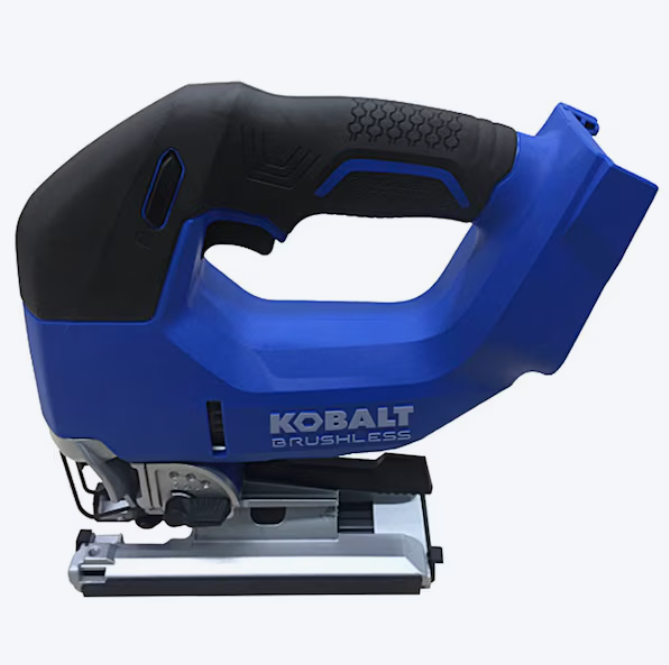
Kobalt 24-volt Brushless Variable Speed Keyless Cordless Jigsaw (Battery Not Included and Charger Not Included)
- 24-volt max brushless motor provides extended run time and motor life
- 1-In stroke length, at 3,000-SPM, as well as 4-position orbital action, offers optimal cutting options
- Tool-free blade changes for ease of use
Discover why this versatile power tool has become the go-to choice for DIY enthusiasts and professional craftspeople alike
When it comes to versatile power tools that bridge the gap between professional-grade performance and DIY accessibility, few instruments command the respect that the Kobalt jigsaw has earned in workshops across the country. This remarkable cutting tool has quietly revolutionized how we approach everything from intricate woodworking projects to heavy-duty material cutting, establishing itself as an indispensable companion for anyone serious about precision craftsmanship.
The journey of understanding what makes a Kobalt jigsaw exceptional begins with recognizing its place in the broader landscape of power tools. Unlike the brute force approach of circular saws or the delicate precision of scroll saws, jigsaws occupy a unique middle ground that makes them incredibly versatile. When you pick up a Kobalt jigsaw, you’re not just holding a cutting tool—you’re grasping a instrument of creative possibility that can transform raw materials into finished masterpieces with remarkable ease.
Understanding the Core Purpose: What is a Kobalt Jigsaw Used For?
The beauty of a Kobalt jigsaw lies in its remarkable versatility. This isn’t a one-trick pony designed for a single specific task—it’s a multi-faceted tool that adapts to virtually any cutting challenge you might encounter. Whether you’re a weekend warrior tackling home improvement projects or a seasoned craftsperson working on intricate designs, understanding the full scope of what this tool can accomplish will fundamentally change how you approach your projects.
At its core, the Kobalt jigsaw excels at making curved cuts that would be impossible with traditional straight-cutting tools. Picture trying to create the gentle curves of a decorative shelf bracket or the precise cutouts needed for installing a kitchen sink. These are the moments where the jigsaw truly shines, effortlessly following templates and patterns to create smooth, professional-looking curves that elevate your work from amateur to artisan level.
The tool’s capabilities extend far beyond simple curves, however. Straight cuts, particularly in situations where a circular saw would be too aggressive or unwieldy, become child’s play with a quality jigsaw. The precision control offered by modern Kobalt jigsaw models allows for incredibly accurate straight cuts, making it perfect for trimming door jambs, cutting flooring around obstacles, or creating precise openings in drywall.
One of the most impressive applications involves plunge cutting—the ability to start a cut in the middle of a material without drilling a pilot hole. This capability transforms how you approach projects like cutting openings for electrical outlets, creating decorative patterns in panel work, or modifying existing structures. The Kobalt jigsaw handles these challenging cuts with confidence, providing the control and precision necessary for professional results.
Mastering the Art: How to Use a Kobalt Jigsaw Effectively
Developing proficiency with a Kobalt jigsaw requires understanding both the technical aspects of the tool and the subtle techniques that separate good cuts from exceptional ones. The foundation of effective jigsaw use begins with proper setup and preparation, elements that many users overlook in their eagerness to start cutting.
The initial setup process involves more than simply installing a blade and powering on the tool. Professional results demand careful attention to material support, cutting surface preparation, and workspace organization. When working with larger pieces, adequate support becomes crucial—unsupported material will vibrate excessively, leading to rough cuts and potential blade damage. The key lies in supporting the material as close to the cutting line as possible while maintaining clear access for the tool.
Blade selection represents perhaps the most critical decision in achieving optimal results with your Kobalt jigsaw. Different materials and cutting requirements demand specific blade characteristics, from tooth count and blade width to specialized coatings and tooth geometries. Understanding these nuances allows you to optimize cutting performance for each specific application, whether you’re working with delicate veneers or robust construction lumber.
The physical technique of guiding the saw requires developing a feel for the tool’s natural cutting rhythm. Rather than forcing the blade through material, effective jigsaw use involves working with the tool’s natural cutting action, allowing the blade to do the work while you provide steady, controlled guidance. This approach not only produces cleaner cuts but also extends blade life and reduces tool wear.
Speed control plays a vital role in achieving professional results. Lower speeds work better for harder materials and intricate cuts, while higher speeds excel at quickly cutting through softer materials. The variable speed control on modern Kobalt jigsaw models provides precise control over cutting speed, allowing you to match the tool’s performance to the specific requirements of each cut.
Engineering Excellence: Features of the Kobalt Jigsaw
The engineering philosophy behind the Kobalt jigsaw reflects a deep understanding of what modern users need from their power tools. This isn’t simply about cramming more features into a single device—it’s about thoughtfully integrating technologies and design elements that genuinely enhance user experience and cutting performance.
The motor design in Kobalt jigsaws represents a significant advancement in power tool engineering. These motors deliver substantial cutting power while maintaining compact dimensions and reasonable weight. The power delivery is smooth and consistent, providing the sustained performance necessary for demanding cutting tasks without the sudden power drops or inconsistent operation that plague lesser tools.
Vibration control has emerged as a critical factor in jigsaw design, and Kobalt has invested heavily in developing effective vibration reduction systems. Excessive vibration not only makes the tool uncomfortable to use but also degrades cutting accuracy and increases user fatigue. The Kobalt jigsaw incorporates sophisticated vibration dampening technologies that significantly reduce the vibration transmitted to the user while maintaining the precise blade action necessary for clean cuts.
The blade clamping system represents another area where Kobalt has distinguished itself from competitors. Quick-change blade systems allow for rapid blade swaps without tools, dramatically improving workflow efficiency. More importantly, these systems provide secure blade retention that eliminates the blade slippage and wobble that can ruin precision cuts.
Dust management might seem like a minor consideration, but anyone who has struggled to follow a cut line through a cloud of sawdust understands its importance. Modern Kobalt jigsaw models incorporate effective dust extraction systems that keep the cutting line clear while reducing the amount of debris scattered around the workspace. This feature proves particularly valuable when working indoors or in confined spaces.
The base plate design deserves special attention for its impact on cutting accuracy and versatility. Quality base plates provide stable support for the tool while allowing for easy adjustment of cutting angles. The ability to tilt the base plate for bevel cuts expands the tool’s capabilities significantly, enabling compound angles and decorative edge treatments that would otherwise require specialized tools.
Investment Considerations: Understanding Kobalt Jigsaw Costs
The financial aspect of acquiring a Kobalt jigsaw involves more than simply comparing price tags. Understanding the total cost of ownership, including accessories, maintenance, and operational costs, provides a more accurate picture of the investment required to effectively utilize this versatile tool.
Entry-level Kobalt jigsaw models typically fall into the budget-friendly category while still delivering performance that rivals more expensive alternatives from premium brands. These models provide excellent value for occasional users or those just beginning to explore the capabilities of jigsaws. Despite their lower price point, they incorporate many of the same essential features found in more expensive models, making them suitable for a wide range of applications.
Mid-range models represent the sweet spot for most users, offering enhanced features and improved build quality without the premium pricing of top-tier models. These tools typically include variable speed control, improved vibration reduction, and more robust construction that can withstand regular use in demanding environments. For serious DIY enthusiasts and light professional use, these models provide an excellent balance of performance and value.
Professional-grade Kobalt jigsaw models command higher prices but justify the investment through superior performance, enhanced durability, and advanced features. These tools are engineered to withstand daily use in demanding professional environments while delivering the precision and reliability that professionals require. Features like electronic speed control, advanced vibration reduction systems, and premium blade clamping mechanisms distinguish these models from their more affordable siblings.
The cost equation extends beyond the initial tool purchase to include accessories and consumables. Quality blades represent an ongoing expense that significantly impacts cutting performance and project outcomes. Investing in appropriate blades for different materials and applications ensures optimal performance from your Kobalt jigsaw while minimizing frustration and rework.
Accessibility and Availability: Where to Buy a Kobalt Jigsaw
The Kobalt brand enjoys widespread availability through multiple retail channels, making it easy to find and purchase Kobalt jigsaw models regardless of your location or shopping preferences. Understanding where to look and what to expect from different purchasing channels helps ensure you get the best deal while receiving genuine products backed by proper warranty coverage.
Major home improvement retailers represent the primary distribution channel for Kobalt tools, with extensive in-store displays and knowledgeable staff who can provide hands-on demonstrations and application advice. These retailers typically stock a comprehensive selection of models and accessories, allowing you to compare different options and make informed decisions. The ability to physically handle tools before purchasing provides valuable insights into ergonomics and build quality that online shopping cannot match.
Online retailers offer convenience and often competitive pricing on Kobalt jigsaw models. The broader selection available online frequently includes models that might not be stocked in local stores, particularly specialized or professional-grade variants. However, online purchasing requires careful attention to seller reputation and warranty coverage to ensure you receive genuine products with proper support.
The used tool market presents opportunities for significant savings on quality Kobalt jigsaw models, particularly for budget-conscious buyers or those needing tools for occasional use. Estate sales, online marketplaces, and tool rental companies sometimes offer well-maintained used tools at attractive prices. However, purchasing used tools requires careful inspection and testing to ensure proper operation and safety.
Seasonal sales and promotional events frequently feature significant discounts on power tools, including Kobalt jigsaw models. Black Friday, end-of-summer clearances, and contractor appreciation events often present opportunities to acquire quality tools at reduced prices. Planning major tool purchases around these events can result in substantial savings while still obtaining new tools with full warranty coverage.
Material Versatility: What Materials Can a Kobalt Jigsaw Cut?
The material cutting capabilities of a Kobalt jigsaw extend far beyond what many users initially imagine. This versatility stems from the combination of the tool’s mechanical design and the wide variety of specialized blades available for different materials and applications. Understanding these capabilities opens up new possibilities for creative projects and practical problem-solving.
Wood represents the most common material cut with jigsaws, and the Kobalt jigsaw excels across the full spectrum of wood types and thicknesses. From delicate trim work requiring precision and finesse to cutting through thick construction lumber, these tools adapt to the specific requirements of each application. Softwoods like pine and cedar cut easily with standard wood-cutting blades, while hardwoods benefit from specialized blades designed to handle their density and grain characteristics.
Engineered wood products present unique cutting challenges that the Kobalt jigsaw handles with aplomb. Plywood, particleboard, and medium-density fiberboard each have specific characteristics that affect cutting performance. The ability to adjust cutting speed and select appropriate blades allows the jigsaw to produce clean cuts in these materials without the excessive tearout that can occur with less versatile tools.
Metal cutting represents an area where many users underestimate their jigsaw’s capabilities. With appropriate metal-cutting blades, a Kobalt jigsaw can effectively cut through various metals including aluminum, steel, and even some stainless steel applications. The key lies in understanding the limitations of the tool and selecting appropriate cutting parameters for each specific metal type and thickness.
Plastic materials, increasingly common in modern construction and fabrication, cut beautifully with the right blade selection and cutting technique. From thin acrylic sheets used in DIY projects to thick PVC lumber used in outdoor construction, the Kobalt jigsaw adapts to plastic’s unique cutting requirements. The variable speed control proves particularly valuable when cutting plastics, as excessive speed can cause melting and poor cut quality.
Specialized materials like ceramic tile, fiberglass, and composite materials expand the tool’s versatility even further. While these applications require specific blade types and careful technique, the Kobalt jigsaw provides the controlled cutting action necessary for success. Understanding the proper approach for each material type maximizes both cutting performance and blade life.
Woodworking Excellence: Is the Kobalt Jigsaw Good for Woodworking Projects?
Woodworking represents perhaps the most natural application for the Kobalt jigsaw, where its unique capabilities truly shine. The combination of precision control, versatile cutting capabilities, and ease of use makes it an indispensable tool for woodworkers at every skill level, from absolute beginners to seasoned professionals.
The tool’s ability to create smooth curves sets it apart from other cutting tools in the woodworker’s arsenal. Complex scrollwork that would require hours with hand tools becomes manageable with a quality jigsaw. The Kobalt jigsaw excels at following templates and patterns, allowing woodworkers to reproduce intricate designs with consistent accuracy. This capability proves invaluable for projects requiring multiple identical pieces or complex decorative elements.
Furniture making benefits enormously from the jigsaw’s versatility. Creating curved aprons for tables, cutting decorative elements for cabinet doors, and shaping complex joinery becomes straightforward with proper technique and blade selection. The tool’s ability to make inside cuts without edge access opens up design possibilities that would be difficult or impossible to achieve with other cutting methods.
Cabinetry work represents another area where the Kobalt jigsaw proves indispensable. Cutting openings for hardware, creating decorative door panels, and trimming pieces to fit irregular spaces are all tasks where the jigsaw’s precision and control provide significant advantages. The tool’s compact size allows it to work in confined spaces where larger tools would be impractical.
The finishing quality achievable with a quality Kobalt jigsaw often surprises new users. With appropriate blade selection and proper technique, the tool can produce cuts that require minimal sanding or finishing work. This capability significantly reduces project completion time while improving overall quality and consistency.
Project scalability represents another significant advantage. The same Kobalt jigsaw that handles delicate trim work can also tackle larger structural cutting tasks. This versatility means woodworkers can rely on a single tool for a wide range of applications, reducing tool investment and workshop space requirements.
Blade Management: How to Change the Blade on a Kobalt Jigsaw
Mastering blade changes represents a fundamental skill that significantly impacts both productivity and cutting performance with your Kobalt jigsaw. Modern tool designs have simplified this process considerably, but understanding the proper procedure ensures safe operation and optimal tool performance.
The tool-free blade change systems found on contemporary Kobalt jigsaw models eliminate the need for additional tools while providing secure blade retention. These systems typically feature a lever or collar mechanism that releases blade tension, allowing for quick removal and installation of new blades. Understanding how this mechanism operates and maintaining it properly ensures reliable performance over the tool’s lifetime.
Safety considerations during blade changes cannot be overstated. Always ensure the tool is disconnected from power before attempting any blade change. The blade and surrounding components may be hot after extended use, particularly when cutting hard materials or making demanding cuts. Allowing adequate cooling time prevents burns and ensures safe handling.
Proper blade installation involves more than simply inserting the blade into the clamp. Ensuring the blade is fully seated and properly aligned prevents premature blade failure and poor cutting performance. The blade should be firmly secured without over-tightening, which can damage both the blade and the clamping mechanism.
Different blade types may require specific installation considerations. Reverse-tooth blades, for example, must be installed with proper orientation to achieve their intended cutting characteristics. T-shank and U-shank blade designs have specific insertion requirements that affect both security and cutting performance.
Blade inspection before installation helps identify damaged or worn blades before they can cause problems. Checking for bent teeth, cracked blade bodies, or excessive wear ensures optimal cutting performance and prevents potential safety issues. Establishing a routine inspection process improves both safety and cutting quality.
Performance Specifications: Understanding Cutting Capacity
The cutting capacity of a Kobalt jigsaw defines the range of materials and thicknesses the tool can effectively handle. Understanding these specifications helps users select appropriate applications while avoiding situations that could damage the tool or produce poor results.
Maximum cutting depth varies significantly between different Kobalt jigsaw models and depends heavily on the material being cut. Wood cutting depths typically represent the most generous specifications, with quality models capable of cutting through materials several inches thick. However, practical cutting depth often depends more on blade length and cutting technique than theoretical tool capacity.
The relationship between material hardness and cutting capacity requires careful consideration. While a Kobalt jigsaw might theoretically cut through thick hardwood, practical limitations including blade deflection, motor power, and heat generation may make such cuts impractical. Understanding these relationships helps users make realistic expectations and select appropriate applications.
Cutting speed represents another dimension of cutting capacity that affects both productivity and cut quality. The variable speed control found on modern Kobalt jigsaw models allows users to optimize cutting speed for different materials and thicknesses. Thicker materials generally benefit from slower cutting speeds that allow the blade to clear chips effectively and reduce heat buildup.
Bevel cutting capacity adds another layer of versatility to the tool’s capabilities. The ability to tilt the base plate for angled cuts expands project possibilities significantly. Understanding the range of available bevel angles and how they affect cutting performance helps users plan projects and select appropriate cutting strategies.
Blade stroke length affects cutting efficiency and influences the tool’s ability to handle different material thicknesses. Longer strokes generally provide faster cutting in thick materials, while shorter strokes offer better control for delicate work. The Kobalt jigsaw design optimizes stroke length for versatile performance across a wide range of applications.
Competitive Analysis: How Kobalt Compares to Other Brands
Positioning the Kobalt jigsaw within the broader marketplace requires understanding how it compares to offerings from other major manufacturers. This analysis helps potential buyers make informed decisions while understanding the value proposition that Kobalt brings to the market.
Performance comparisons reveal that Kobalt jigsaw models consistently deliver cutting performance that rivals more expensive alternatives from premium brands. Independent testing and user reviews frequently highlight the tool’s ability to produce clean, accurate cuts across various materials while maintaining consistent performance over time. This performance parity, combined with attractive pricing, makes Kobalt an compelling choice for value-conscious buyers.
Build quality represents another area where Kobalt has distinguished itself from budget competitors while remaining competitive with premium brands. The materials and manufacturing processes used in Kobalt jigsaw construction result in tools that feel substantial and well-engineered. Users report satisfaction with long-term durability and reliability, key factors that separate quality tools from disposable alternatives.
Feature integration showcases Kobalt’s understanding of user needs and priorities. Rather than overwhelming users with unnecessary complexity, Kobalt jigsaw models focus on implementing features that genuinely enhance cutting performance and user experience. This thoughtful approach results in tools that are both capable and approachable for users at all skill levels.
Warranty coverage and customer support represent significant competitive advantages for the Kobalt brand. Generous warranty terms and accessible customer service provide peace of mind that extends well beyond the initial purchase. This support infrastructure demonstrates the manufacturer’s confidence in their products while providing users with recourse in the unlikely event of problems.
Value positioning places Kobalt jigsaw models in a unique market position that offers premium features and performance at mid-range pricing. This positioning makes quality jigsaws accessible to a broader range of users while still delivering the performance demanded by serious craftspeople.
Precision Control: Variable Speed Technology
The variable speed control system found in modern Kobalt jigsaw models represents a significant technological advancement that dramatically expands the tool’s versatility and cutting performance. Understanding how to effectively utilize this feature transforms the user experience and enables optimal results across diverse applications.
Electronic speed control provides precise, consistent speed regulation regardless of load conditions. Unlike simple mechanical speed controls that can vary under load, electronic systems maintain steady cutting speeds even when cutting through challenging materials. This consistency proves crucial for achieving professional-quality cuts and maintaining optimal blade performance.
Speed selection strategy involves matching cutting speed to material characteristics and cutting requirements. Softer materials generally benefit from higher cutting speeds that maximize productivity, while harder materials require slower speeds that allow blades to work more effectively. Dense materials like hardwoods and metals particularly benefit from reduced speeds that minimize heat generation and extend blade life.
The relationship between cutting speed and cut quality requires careful consideration. Excessive speed can cause rough cuts, excessive tearout, and premature blade wear. Conversely, insufficient speed can result in slow cutting progress and potential blade binding. The variable speed control on Kobalt jigsaw models allows users to find the optimal speed for each specific application.
Application-specific speed recommendations help users achieve optimal results. Curve cutting generally benefits from moderate speeds that provide good control while maintaining cutting progress. Straight cuts can often utilize higher speeds for improved productivity. Plunge cutting typically requires reduced speeds for better control and accuracy during entry.
Advanced speed control features found on some Kobalt jigsaw models include soft-start capabilities that gradually ramp up to selected speeds. This feature reduces the sudden jolt that can occur when starting cuts and provides better control for precise positioning. Constant speed electronics maintain selected speeds under varying load conditions for consistent cutting performance.
Blade Compatibility: Understanding Your Options
The blade ecosystem surrounding the Kobalt jigsaw offers remarkable variety and specialization that enables optimal performance across virtually any cutting application. Understanding the different blade types, their characteristics, and appropriate applications maximizes tool versatility while ensuring optimal cutting results.
Universal shank designs ensure broad compatibility with available blade options. The T-shank system used by Kobalt jigsaw models provides secure blade retention while maintaining compatibility with the extensive selection of blades available from multiple manufacturers. This standardization means users are not limited to proprietary blade options and can select from the full range of available specialty blades.
Wood-cutting blades represent the largest category and offer significant specialization for different applications. Aggressive cutting blades with large teeth excel at quickly cutting through construction lumber, while fine-toothed blades produce smooth cuts in finished materials. Specialized blades for cutting laminates, veneers, and engineered wood products optimize performance for these challenging materials.
Metal-cutting blade options extend the Kobalt jigsaw capabilities into new material territories. Bi-metal blades combine cutting edge durability with flexible backing that resists breaking under stress. Specialized blades for cutting aluminum, steel, and even stainless steel applications provide options for metalworking tasks that would otherwise require dedicated tools.
Specialty blade designs address unique cutting challenges that standard blades cannot handle effectively. Ceramic tile cutting blades, carbide-toothed blades for cutting composite materials, and even diamond-coated blades for glass cutting expand the tool’s capabilities dramatically. Understanding when and how to use these specialty blades opens up new project possibilities.
Blade maintenance and storage considerations affect both performance and tool investment protection. Proper blade storage prevents damage to cutting edges while organizing blades for easy selection. Regular cleaning removes accumulated debris that can affect cutting performance, while proper blade disposal ensures workshop safety and environmental responsibility.
Metalworking Applications: Cutting Metal with Confidence
The metalworking capabilities of a Kobalt jigsaw often surprise users who primarily associate jigsaws with woodworking applications. With appropriate blade selection and proper technique, these versatile tools can effectively cut various metals, opening up new possibilities for repair work, fabrication, and creative projects.
Aluminum cutting represents one of the most accessible metal cutting applications for jigsaw users. This relatively soft metal cuts easily with standard metal-cutting blades while producing manageable chip loads. The Kobalt jigsaw excels at cutting aluminum sheet, angle, and tubing for applications ranging from home repairs to custom fabrication projects. The variable speed control proves particularly valuable when cutting aluminum, as optimal cutting speeds prevent chip welding and extend blade life.
Steel cutting requires more consideration but remains well within the capabilities of a quality Kobalt jigsaw. Thinner steel sheets and mild steel components cut effectively with appropriate bi-metal blades. Understanding the limitations imposed by material thickness and hardness helps users select realistic projects while achieving professional results. Proper cutting fluid application can significantly improve cutting performance and blade life when working with steel.
Stainless steel presents greater challenges but can still be cut effectively with proper preparation and technique. Specialized stainless steel cutting blades and reduced cutting speeds help manage the heat generation and work hardening characteristics of this challenging material. While not suitable for production cutting, the Kobalt jigsaw can handle occasional stainless steel cutting tasks that arise in repair and modification work.
Technique considerations for metal cutting differ significantly from woodworking applications. Consistent feed rates prevent blade overheating while maintaining cutting progress. Proper material support becomes even more critical when cutting metals to prevent vibration and blade deflection. Understanding these differences ensures successful metal cutting experiences while preserving tool and blade life.
Safety considerations for metal cutting require additional attention to chip management and heat generation. Metal chips can be sharp and hot, requiring appropriate personal protective equipment and chip containment strategies. Understanding these requirements ensures safe operation while maintaining workshop cleanliness and organization.
Power Options: Cordless vs. Corded Models
The choice between cordless and corded Kobalt jigsaw models involves balancing multiple factors including power requirements, portability needs, and operational preferences. Understanding the advantages and limitations of each approach helps users select the optimal tool configuration for their specific needs and applications.
Corded Kobalt jigsaw models deliver consistent power output that remains constant throughout extended use periods. This consistent power proves particularly valuable for demanding applications involving thick materials or continuous operation. The unlimited runtime of corded models eliminates concerns about battery life during large projects, while typically offering superior power-to-weight ratios compared to battery-powered alternatives.
Cordless models provide unmatched portability and convenience that transforms how and where jigsaws can be used. The freedom from power cords enables work in locations without convenient electrical access while eliminating the cord management issues that can complicate intricate cutting tasks. Modern battery technology has largely closed the power gap between cordless and corded models, making battery-powered Kobalt jigsaw options viable for most applications.
Battery technology considerations significantly impact cordless tool performance and user satisfaction. Lithium-ion battery systems provide excellent power density and minimal self-discharge while offering rapid charging capabilities. Understanding battery capacity ratings and having appropriate charging strategies ensures uninterrupted workflow when using cordless tools.
Runtime expectations for cordless Kobalt jigsaw models depend heavily on application requirements and battery capacity. Light-duty cutting tasks may provide hours of operation from a single battery charge, while demanding applications can quickly deplete battery capacity. Having multiple batteries and understanding charging requirements prevents workflow interruptions during critical project phases.
The total cost of ownership differs between corded and cordless options due to battery replacement costs and charging infrastructure requirements. While cordless models typically command higher initial prices, the convenience and versatility they provide often justify the additional investment for users who value portability and flexibility.
Protection and Support: Understanding Warranty Coverage
Warranty coverage for Kobalt jigsaw models provides important protection and demonstrates the manufacturer’s confidence in their product quality. Understanding warranty terms and coverage details helps users protect their investment while knowing what support options are available if problems arise.
Standard warranty coverage typically includes defects in materials and workmanship for specified periods following purchase. This coverage protects against manufacturing defects and premature failure due to normal use conditions. Understanding what constitutes normal use versus abuse helps users maintain warranty coverage while using their tools effectively.
Registration requirements may be necessary to activate full warranty coverage and ensure access to customer support services. Completing registration promptly after purchase establishes proof of purchase date and enables communication about product updates or safety notices. Many manufacturers now offer online registration systems that simplify this process while providing immediate confirmation.
Warranty claim procedures should be understood before problems arise to ensure smooth resolution if issues develop. Knowing where to obtain service and what documentation is required streamlines the warranty claim process. Many Kobalt jigsaw warranty claims can be initiated online or through authorized service centers for convenient resolution.
Extended warranty options may be available through retailers or third-party providers for users who desire additional protection beyond standard coverage. These options can provide peace of mind for users who depend heavily on their tools or work in demanding environments where tool failure could be particularly costly.
The relationship between warranty coverage and proper maintenance deserves attention, as neglect or improper use can void warranty protection. Understanding proper maintenance procedures and following manufacturer recommendations ensures continued warranty coverage while maximizing tool life and performance.
Care and Maintenance: Keeping Your Kobalt Jigsaw in Peak Condition
Proper maintenance of a Kobalt jigsaw ensures reliable performance, extends tool life, and maintains safety standards throughout the tool’s operational lifetime. Developing systematic maintenance routines prevents minor issues from becoming major problems while protecting your tool investment.
Cleaning procedures represent the foundation of effective tool maintenance. Regular removal of sawdust, debris, and cutting residue prevents accumulation that can interfere with tool operation and cause premature wear. The cooling vents and motor housing require particular attention, as blocked ventilation can lead to overheating and motor damage. Using compressed air and appropriate cleaning solutions removes accumulated debris while protecting sensitive components.
Lubrication requirements for Kobalt jigsaw models are typically minimal due to sealed bearing systems and advanced manufacturing tolerances. However, understanding what components may require occasional lubrication and using appropriate lubricants ensures smooth operation and prevents premature wear. Over-lubrication can attract debris and cause more problems than it solves, making proper lubrication technique important.
Blade guide maintenance affects cutting accuracy and blade life significantly. Worn or damaged blade guides can cause blade deflection and poor cut quality while accelerating blade wear. Regular inspection and timely replacement of guide components maintains cutting precision while protecting blade investments. Understanding how to properly adjust and align blade guides optimizes cutting performance.
Electrical component protection involves keeping moisture and debris away from sensitive electrical connections and switches. Storing tools in dry conditions and protecting them from excessive dust and moisture prevents corrosion and electrical problems. Understanding basic electrical safety and recognizing signs of electrical problems helps prevent dangerous situations.
Storage considerations affect tool longevity and user safety. Proper storage protects tools from damage while maintaining accessibility for regular use. Understanding appropriate storage conditions and organizing tools effectively prevents damage while improving workshop efficiency and safety.
Troubleshooting: Common Issues and Solutions
Understanding common issues that can affect Kobalt jigsaw performance and their solutions enables users to maintain optimal tool operation while avoiding frustration and downtime. Most jigsaw problems have relatively simple solutions that don’t require professional service intervention.
Cutting performance problems often stem from blade-related issues that are easily resolved with proper diagnosis and corrective action. Dull blades produce rough cuts, require excessive pressure, and can cause motor strain. Regular blade inspection and timely replacement maintains cutting quality while protecting the tool. Understanding blade wear patterns helps identify when replacement is necessary.
Vibration issues can significantly affect cutting accuracy and user comfort. Excessive vibration may indicate worn blade guides, damaged blades, or loose components. Systematic inspection of these components usually reveals the source of vibration problems. Tightening loose fasteners, replacing worn guides, or installing new blades typically resolves vibration issues.
Power delivery problems can manifest as reduced cutting speed, inconsistent operation, or complete power loss. Electrical connections, power cord condition, and switch operation should be checked systematically to identify power-related issues. Many power problems result from loose connections or damaged cords that can be easily repaired or replaced.
Motor overheating can occur when tools are pushed beyond their designed capacity or when ventilation is blocked. Understanding appropriate cutting parameters and maintaining clean ventilation prevents most overheating issues. Allowing adequate cooling time between demanding cuts and avoiding continuous operation at maximum capacity extends motor life.
Cutting accuracy problems often relate to setup and technique issues rather than tool defects. Proper material support, appropriate blade selection, and correct cutting speed usually resolve accuracy problems. Understanding how different factors affect cutting performance enables users to optimize their setup for each specific application.
Beginner-Friendly Features: Is the Kobalt Jigsaw Suitable for Beginners?
The Kobalt jigsaw represents an excellent entry point for beginners exploring power tools and woodworking. The combination of intuitive operation, forgiving performance characteristics, and comprehensive safety features makes it particularly suitable for users developing their skills and confidence with power tools.
Learning curve considerations favor jigsaws over many other power tools due to their controlled cutting action and intuitive operation. Unlike circular saws that require careful handling to prevent kickback, or routers that demand precise setup and technique, jigsaws provide immediate feedback and controllable cutting action that builds user confidence quickly. The Kobalt jigsaw design emphasizes user-friendly features that reduce the intimidation factor common with power tools.
Safety characteristics of modern Kobalt jigsaw models provide multiple layers of protection that particularly benefit new users. The enclosed cutting action prevents accidental contact with the blade during operation, while variable speed control allows beginners to start slowly and build confidence gradually. The tool’s design minimizes the risk of serious injury even if mistakes occur during the learning process.
Skill development progression follows naturally when using a quality jigsaw like the Kobalt models. Beginners can start with simple straight cuts in soft materials before progressing to curves and more challenging materials. The tool’s versatility means users can continue expanding their skills without needing to purchase additional tools, making it an excellent foundation for a growing tool collection.
Project suitability for beginners encompasses a wide range of applications that build skills progressively. Simple projects like cutting basic shapes and making straight cuts develop fundamental skills before advancing to more complex curves and joinery. The Kobalt jigsaw handles these progression steps smoothly while providing room for growth as skills develop.
Instructional resources and community support for jigsaw users provide additional learning opportunities that accelerate skill development. Online tutorials, woodworking communities, and manufacturer resources offer guidance and inspiration for new users. The popularity of jigsaws means extensive educational materials are available for users at all skill levels.
Precision Techniques: Making Precise Cuts
Achieving precision cuts with a Kobalt jigsaw requires understanding the relationship between tool setup, technique, and material characteristics. Developing systematic approaches to precision cutting enables consistent results while building confidence and skill.
Setup fundamentals provide the foundation for precision cutting and cannot be overlooked in the pursuit of accuracy. Proper workpiece support prevents vibration and deflection that can compromise cutting accuracy. The cutting surface should be stable and appropriately sized to support the material throughout the cutting process. Understanding how different support strategies affect cutting performance enables users to optimize their setup for each specific application.
Template usage transforms complex cutting tasks into manageable operations while ensuring repeatable accuracy. Creating and using templates effectively requires understanding how to account for blade width, cutting direction, and material characteristics. The Kobalt jigsaw excels at following templates accurately when proper technique is employed. Understanding template design and construction principles enables users to create custom templates for specific projects.
Blade selection for precision work involves choosing blades that balance cutting speed with cut quality requirements. Finer-toothed blades generally produce smoother cuts with less tearout, while maintaining adequate cutting speed for practical use. Understanding the relationship between blade characteristics and cut quality enables optimal blade selection for precision applications.
Cutting technique refinement involves developing smooth, consistent feed rates and proper tool guidance. Forcing the blade through material or applying excessive pressure typically degrades cut quality and accuracy. The Kobalt jigsaw responds well to patient, controlled cutting techniques that work with the tool’s natural cutting rhythm. Understanding these techniques and practicing them systematically builds precision cutting skills.
Measurement and marking accuracy significantly impact final cutting precision regardless of tool capability. Understanding proper measurement techniques and using appropriate marking tools ensures accurate layout before cutting begins. The most precise cutting technique cannot compensate for inaccurate initial layout, making measurement accuracy a critical component of precision cutting.
Complete Package: Accessories and Included Components
Understanding what accessories come with a Kobalt jigsaw and what additional components might be beneficial helps users maximize their tool investment while ensuring they have everything needed for successful project completion.
Standard inclusions with Kobalt jigsaw purchases typically include basic accessories necessary for immediate use. Starter blade assortments provide blades for common materials like wood and metal, enabling users to begin cutting immediately after purchase. These starter blades, while not specialized for specific applications, provide good general-purpose performance across a range of materials.
Case or storage solutions included with many Kobalt jigsaw models protect the tool while providing organized storage for accessories. Quality cases protect tools during transport and storage while keeping accessories organized and accessible. Understanding how to effectively use included storage solutions maintains tool condition while improving workshop organization.
Instruction materials and documentation provide essential information for safe and effective tool use. Modern Kobalt jigsaw packages typically include comprehensive user manuals that cover operation, maintenance, and safety procedures. Taking time to review this documentation thoroughly before first use establishes good safety habits while ensuring optimal tool performance.
Optional accessories expand tool capabilities and improve user experience significantly. Specialty blade assortments for specific materials or applications optimize cutting performance for particular projects. Circle cutting guides enable precise radius cuts that would be difficult to achieve freehand. Dust extraction accessories improve visibility and workshop cleanliness during extended cutting sessions.
Third-party accessory compatibility expands available options beyond manufacturer offerings. The standardized T-shank blade system used by Kobalt jigsaw models ensures compatibility with blades from multiple manufacturers. This compatibility provides access to specialty blades and accessories that might not be available from the tool manufacturer directly.
The versatility and capability of the Kobalt jigsaw make it an invaluable addition to any workshop or tool collection. Whether you’re a weekend DIY enthusiast tackling home improvement projects or a serious craftsperson pursuing intricate woodworking, this remarkable tool provides the precision, power, and reliability necessary for professional results. The combination of thoughtful engineering, user-friendly features, and competitive pricing makes the Kobalt jigsaw an exceptional value that delivers performance far beyond its price point.
From the moment you first pick up this tool, you’ll appreciate the attention to detail that went into its design. The ergonomic grip reduces fatigue during extended use, while the smooth operation and precise control enable cuts that rival those produced by far more expensive alternatives. The comprehensive blade compatibility opens up virtually unlimited project possibilities, while the robust construction ensures reliable performance for years to come.
As power tool technology continues advancing, the Kobalt jigsaw represents a perfect balance of innovation and practicality. It incorporates the latest technological improvements while maintaining the straightforward operation that makes jigsaws accessible to users at all skill levels. Whether you’re cutting intricate curves for a decorative project or making precise straight cuts for construction work, this versatile tool adapts to your needs while delivering consistently excellent results.
The investment in a quality Kobalt jigsaw pays dividends through improved project outcomes, reduced frustration, and expanded creative possibilities. As you develop proficiency with this versatile tool, you’ll discover new applications and techniques that continue expanding its utility in your workshop. The combination of capability, reliability, and value makes the Kobalt jigsaw not just a tool purchase, but an investment in your ability to bring creative visions to life with precision and confidence.