
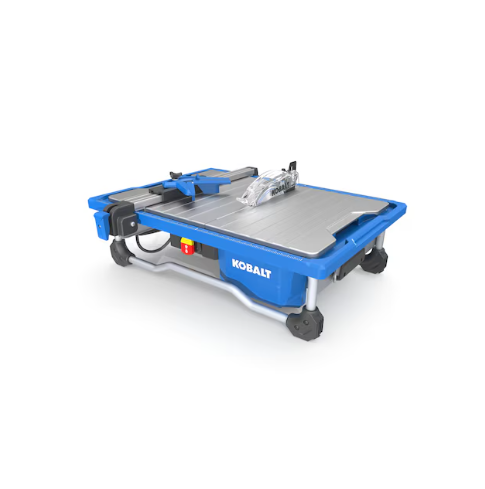
Kobalt 5 -Amp 7-in -Blade Wet Tabletop Tile Saw
- Large table surface delivers 24-in rip cutting capacity with a max 13-in diagonal cut
- Cuts ceramic, porcelain and natural stone with a maximum depth of cut of 1-1/4-in
- Clear blade guard provides better visibility of the blade
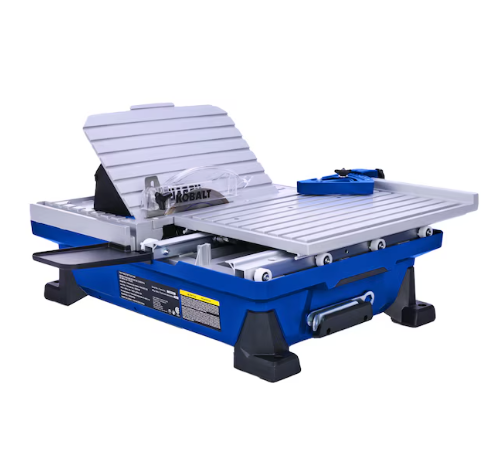
Kobalt 6 -Amp 7.0-in -Blade Wet Tabletop Sliding Table Tile Saw
- 7-In sliding tabletop tile saw features an innovative smooth sliding table that delivers 18-in of rip cutting capacity, allowing users to cut 12-in by 12-in tile diagonally with a maximum depth of cut of 1-1/4-in
- Universal 6-amp motor generates up to 5,200-RPM to easily cut ceramic, porcelain, natural stone, pavers and a variety of tile
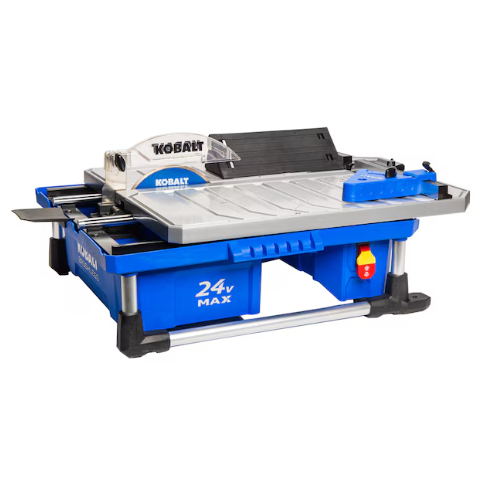
Kobalt 24V 7-in -Blade Cordless Wet Tabletop Sliding Table Tile Saw ( Battery Included )
- FULL SLIDING TABLE – Provides smooth and accurate cuts over half tables
- FAST AND EASY SETUP – Just install battery and pour water into reservoir
- INNOVATIVE AUTO-FEED WATER FEED – Minimizes dust and mud splash
- Powerful brushless motor delivers up to 3800-RPM
Transform Your Tile and Stone Cutting Experience with Professional-Grade Tools
When it comes to precision cutting of tiles, stone, and other hard materials, few tools command the respect and reliability of a quality wet saw. Among the various brands competing for attention in the construction and renovation market, Kobalt Wet Saw models have carved out a significant niche for themselves, offering a compelling blend of performance, affordability, and user-friendly design that appeals to both DIY enthusiasts and professional contractors.
The world of wet saws can seem overwhelming to newcomers, with technical specifications, blade sizes, and cutting capacities creating a maze of confusion. However, understanding the capabilities and features of a Kobalt Wet Saw can transform your approach to tile installation, stone work, and general construction projects. These tools represent more than just cutting equipment; they’re precision instruments designed to help you achieve professional-quality results regardless of your skill level.
Understanding the Core Purpose of Kobalt Wet Saws
A Kobalt Wet Saw serves multiple essential functions in construction and renovation projects, making it an indispensable tool for anyone working with ceramic tiles, porcelain, natural stone, and similar materials. The primary purpose revolves around creating clean, precise cuts while minimizing dust and preventing the overheating that typically occurs with dry cutting methods.
The water cooling system that defines wet saws serves several critical functions beyond just temperature control. When cutting through dense materials like granite, marble, or high-density porcelain tiles, the friction generated by the diamond blade can reach temperatures exceeding 1,000 degrees Fahrenheit. This extreme heat can damage both the material being cut and the blade itself, leading to chipped edges, warped tiles, and premature blade wear. The continuous water flow in a Kobalt Wet Saw eliminates these problems while simultaneously washing away debris that could interfere with cutting accuracy.
Professional tile installers and stone workers rely on wet saws for their ability to create intricate cuts, including curves, angles, and notches that would be impossible to achieve with manual tools. The Kobalt Wet Saw excels in these applications, offering the precision needed for complex layouts around fixtures, irregular spaces, and decorative elements. Whether you’re installing a subway tile backsplash in a residential kitchen or laying large format porcelain tiles in a commercial space, the consistent performance of a quality wet saw makes the difference between a professional-looking installation and an amateur attempt.
Where to Find Your Perfect Kobalt Wet Saw
The availability of Kobalt Wet Saw models has expanded significantly as the brand has grown in popularity among both professional contractors and weekend warriors. As a Lowe’s exclusive brand, Kobalt tools are primarily available through Lowe’s Home Improvement stores, both in physical locations and through their online platform. This exclusive relationship ensures consistent pricing and availability while providing customers with direct access to customer service and warranty support.
Lowe’s maintains an extensive inventory of Kobalt power tools and accessories across their nationwide network of stores, making it convenient for customers to see and test the equipment before purchasing. The advantage of buying from a physical store location includes the ability to examine the build quality, test the weight and balance, and speak with knowledgeable staff who can provide insights into which model best suits your specific needs.
The online purchasing option through Lowe’s website offers additional conveniences, including detailed product specifications, customer reviews, and the ability to check local inventory levels before visiting a store. Many customers appreciate the option to order online and pick up in-store, which can save shipping costs and provide immediate access to their new Kobalt Wet Saw.
For those seeking used or discounted options, authorized Lowe’s clearance events occasionally feature Kobalt tools at reduced prices. Additionally, the secondary market through auction sites and classified advertisements can provide opportunities to find well-maintained used models, though buyers should exercise caution and thoroughly inspect any used power tool before purchase.
Investment Considerations: Kobalt Wet Saw Pricing
The cost structure of Kobalt Wet Saw models reflects the brand’s positioning as a value-oriented option that doesn’t compromise on essential features. Entry-level models typically start around $200 to $300, making them accessible to homeowners undertaking their first major tiling project. These basic models usually include a 7-inch blade configuration with sufficient power for cutting standard ceramic and porcelain tiles.
Mid-range Kobalt Wet Saw options, priced between $400 and $600, offer enhanced features such as larger cutting capacities, more powerful motors, and improved water recirculation systems. These models often include adjustable cutting tables, better dust collection systems, and more robust construction that can withstand regular use over multiple projects.
Professional-grade models can reach $800 or more, incorporating features like precision laser guides, extended cutting tables for large format tiles, variable speed controls, and heavy-duty stands designed for job site durability. The investment in a higher-end model often pays dividends in terms of cutting accuracy, reduced project time, and the ability to handle a wider variety of materials.
When evaluating the cost of a Kobalt Wet Saw, it’s important to consider the total project economics. The time saved through efficient cutting, the reduction in wasted materials due to improved accuracy, and the professional quality of the finished installation often justify the initial investment. Additionally, the resale value of quality tools remains strong, particularly for well-maintained units with complete accessories.
Blade Specifications and Cutting Capabilities
The blade configuration represents one of the most critical aspects of any Kobalt Wet Saw, directly influencing cutting capacity, material compatibility, and overall performance. Most Kobalt wet saw models utilize either 7-inch or 10-inch diamond blades, with the blade size determining the maximum cutting depth and the types of projects the saw can handle effectively.
The 7-inch blade configuration, common in portable and mid-range models, provides a maximum cutting depth of approximately 2.5 inches, making it suitable for most residential tile and stone applications. This size works exceptionally well for standard ceramic tiles, porcelain tiles up to 12 inches, and natural stone slabs of moderate thickness. The smaller blade size also contributes to improved portability and easier handling, particularly important for overhead work or tight spaces.
Ten-inch blade models offer significantly greater cutting capacity, with maximum depths reaching 3.5 inches or more. This capability becomes essential when working with thick stone slabs, large format tiles, or specialty materials like thick granite countertop edges. The larger blade diameter also provides smoother cuts through dense materials, as the increased circumference allows for more cutting surface contact and reduced stress on individual diamond segments.
The quality of the included blade varies among different Kobalt Wet Saw models, with higher-end units typically including premium diamond blades designed for extended life and superior cutting performance. These blades feature advanced bonding technologies that maintain cutting efficiency even after extensive use, while lower-cost alternatives may require more frequent replacement.
Understanding blade compatibility ensures that you can upgrade to specialized blades for specific applications. Continuous rim blades excel at producing smooth cuts in ceramic and porcelain tiles, while segmented blades cut faster through natural stone and concrete. Turbo blades offer a compromise between cutting speed and finish quality, making them versatile choices for mixed-material projects.
Material Compatibility: Tiles and Stone Applications
The versatility of a Kobalt Wet Saw in handling various tile and stone materials makes it an invaluable tool for diverse construction and renovation projects. Ceramic tiles, perhaps the most common application, cut cleanly and efficiently with minimal chipping when proper technique and blade selection are employed. The water cooling system prevents the thermal stress that can cause ceramic tiles to crack during cutting, while the diamond blade creates precise edges suitable for tight joints and professional installations.
Porcelain tiles present greater challenges due to their density and hardness, but a quality Kobalt Wet Saw handles these materials with appropriate blade selection and cutting techniques. High-density porcelain, often used in commercial applications, requires patience and steady feeding to prevent chipping, but the results justify the extra care. Large format porcelain tiles, increasingly popular in contemporary designs, benefit from the stable cutting platform and accurate guides that characterize well-designed wet saws.
Natural stone applications showcase the true capabilities of a Kobalt Wet Saw, as materials like marble, granite, and travertine demand both precision and power. Marble cuts relatively easily but requires careful handling to prevent surface damage from aggressive feeding. Granite presents the ultimate test of cutting capability, with its extreme hardness requiring sharp diamond blades and patient technique. The continuous water flow becomes especially critical with granite, as dry cutting can damage both the stone and the blade within seconds.
Specialty materials like glass tiles, mosaic sheets, and engineered stone products each present unique challenges that a versatile Kobalt Wet Saw can address. Glass tiles require extremely sharp blades and gentle feeding to prevent edge chipping, while mosaic sheets often need careful support to prevent individual pieces from becoming dislodged during cutting. Engineered stone products, increasingly popular for countertops, combine the challenges of natural stone with added complications from resin binders and aggregate materials.
Diamond Blade Technology and Inclusions
The inclusion of diamond blades with Kobalt Wet Saw purchases represents a significant value proposition, as quality diamond blades can cost $50 to $200 or more when purchased separately. Most new Kobalt wet saw models include at least one diamond blade designed for general-purpose cutting of ceramic and porcelain tiles, providing immediate usability straight from the box.
The quality and specifications of included blades vary considerably among different model levels. Entry-level saws might include basic continuous rim blades suitable for ceramic tiles but lacking the durability for extended professional use. Mid-range models often feature upgraded blades with improved diamond concentration and bonding systems that provide longer service life and better cutting performance across a wider range of materials.
Professional-grade Kobalt Wet Saw models may include premium blades featuring advanced diamond matrix formulations, laser-welded segments, and specialized cooling slots that enhance performance and longevity. These blades often retail for $100 or more individually, making their inclusion a substantial added value that justifies the higher purchase price.
Understanding the blade specifications helps users maximize performance and identify when upgrades might be beneficial. Diamond concentration, measured in carats per inch, directly affects cutting speed and blade life. Higher concentrations cut faster through hard materials but may wear more quickly, while lower concentrations provide longer life at the expense of cutting speed.
The bond hardness of the diamond matrix also influences performance characteristics. Soft bonds work better with hard materials like granite, as the bond wears away to expose fresh diamonds. Hard bonds suit softer materials like marble and limestone, maintaining their cutting surface longer in less abrasive applications.
Competitive Analysis: Kobalt vs. DeWalt and Ridgid
The wet saw market features several prominent manufacturers, with DeWalt and Ridgid representing the primary competition for Kobalt Wet Saw models in both features and pricing. Understanding these competitive relationships helps buyers make informed decisions based on their specific needs and budget constraints.
DeWalt wet saws typically command premium pricing but offer advanced features like precision cutting tables, powerful motors, and robust construction designed for heavy professional use. The DeWalt D24000 series, for example, includes features like integrated laser guides and extended cutting capacities that exceed most Kobalt offerings. However, this performance comes at a price premium that may not be justified for occasional use or smaller projects.
Ridgid wet saws occupy a middle ground between Kobalt and DeWalt, offering solid construction and reliable performance at competitive prices. Ridgid models often include innovative features like folding stands and improved water management systems that enhance user convenience. The brand’s lifetime service agreement provides additional value for users who plan extensive long-term use.
When compared directly, Kobalt Wet Saw models typically offer the best value proposition for homeowners and light commercial users. While they may lack some of the advanced features found in premium brands, they include all the essential capabilities needed for successful tile and stone cutting projects. The exclusive availability through Lowe’s also provides convenient access to parts, service, and warranty support.
The motor specifications reveal interesting comparisons, with Kobalt models typically featuring motors in the 1.5 to 2.horsepower range, comparable to similarly priced competitors. The real differences often appear in construction details, accessories, and warranty terms rather than basic cutting capabilities.
Build quality represents another important comparison point, with premium brands often featuring heavier-gauge steel construction and more sophisticated water management systems. However, for users who prioritize value over ultimate durability, Kobalt Wet Saw models provide adequate construction quality for their intended applications.
Cutting Depth Specifications and Limitations
The maximum cutting depth capability of a Kobalt Wet Saw determines its suitability for various applications and material thicknesses. Understanding these limitations helps users select appropriate models and plan projects effectively. Most 7-inch blade models provide cutting depths between 2.25 and 2.5 inches, while 10-inch models can achieve depths of 3.5 inches or more.
These specifications directly translate to practical applications in tile and stone work. Standard ceramic and porcelain tiles, typically ranging from 8mm to 12mm in thickness, present no challenges for any wet saw configuration. However, thick natural stone slabs, countertop materials, and specialty tiles may require the enhanced cutting capacity of larger models.
The cutting depth also affects the saw’s ability to handle bevel cuts, where the blade must penetrate the material at an angle. Bevel cutting effectively reduces the available cutting depth, as the blade must travel through more material thickness to complete the cut. Users planning decorative edge treatments or complex installations should consider these limitations when selecting a Kobalt Wet Saw model.
Manufacturers typically specify cutting depths for straight cuts through standard materials. Real-world performance may vary depending on material density, blade condition, and cutting technique. Dense materials like granite or thick porcelain may effectively reduce cutting capacity compared to softer ceramics, requiring multiple passes or specialized techniques.
The relationship between cutting depth and motor power becomes critical for thick materials. Insufficient power can result in blade binding, motor overheating, or poor cut quality. Kobalt Wet Saw models are generally well-matched in terms of motor power and cutting capacity, but users should understand these relationships when pushing the equipment to its limits.
Bevel Cutting Capabilities and Applications
The ability to create bevel cuts represents an important feature for users undertaking complex tile installations or decorative stonework. Many Kobalt Wet Saw models include bevel cutting capabilities, typically offering angles from 0 to 45 degrees or more. This functionality opens up numerous design possibilities and technical solutions for challenging installations.
Bevel cutting proves essential for creating finished edges on countertops, where the cut edge will be visible in the completed installation. A properly executed bevel cut can eliminate the need for separate edge treatments while creating an attractive finished appearance. The angle and quality of these cuts directly impact the professional appearance of the finished project.
Decorative applications for bevel cutting include creating chamfered edges on accent tiles, fitting tiles around irregular surfaces, and producing custom trim pieces that match the primary tile installation. These capabilities allow installers to create cohesive designs without purchasing specialized trim pieces that may not perfectly match the primary material.
The technical execution of bevel cuts requires proper setup and technique to achieve consistent results. The Kobalt Wet Saw table must be accurately adjusted to the desired angle, and the material must be securely supported throughout the cut. Many models include angle gauges and stops that help ensure consistent results across multiple pieces.
When planning bevel cuts, users should remember that the effective cutting depth is reduced compared to straight cuts. A 45-degree bevel cut requires the blade to travel through approximately 1.4 times the material thickness, potentially limiting the maximum thickness that can be cut in a single pass. This consideration becomes particularly important when working with thick stone slabs or specialty materials.
Water Management Systems and Recirculation
The water management system represents one of the most critical aspects of any wet saw design, directly affecting cutting performance, cleanup requirements, and overall user experience. Kobalt Wet Saw models incorporate various approaches to water delivery and management, from basic gravity-fed systems to sophisticated recirculation pumps.
Entry-level models often utilize simple water delivery systems where users manually add water to a reservoir that feeds the cutting area through gravity or basic pump mechanisms. While these systems function adequately for small projects, they require frequent monitoring and refilling, potentially interrupting workflow and affecting cutting quality if water levels drop too low.
Mid-range and professional Kobalt Wet Saw models frequently include recirculation systems that continuously filter and reuse water throughout the cutting process. These systems offer several advantages, including consistent water flow, reduced water consumption, and the ability to operate for extended periods without user intervention. The filtration components help remove debris that could interfere with cutting performance or cause premature wear on pump components.
Advanced water management systems may include features like adjustable flow rates, allowing users to optimize water delivery for different materials and cutting conditions. Dense materials benefit from higher flow rates that provide enhanced cooling and debris removal, while delicate materials might require reduced flow to prevent damage from excessive water pressure.
The design of the water collection and drainage system affects both performance and cleanup convenience. Well-designed systems direct water and debris into easily accessible collection areas, while poor designs may allow contaminated water to spread across work surfaces or pool in inconvenient locations. Kobalt Wet Saw models generally incorporate thoughtful drainage designs that simplify cleanup and maintenance procedures.
Portability and Weight Considerations
The portability characteristics of a Kobalt Wet Saw significantly influence its suitability for different types of projects and user requirements. Portable models designed for job site use typically weigh between 40 and 70 pounds, making them manageable for one-person transport while still providing stable cutting platforms.
The balance between portability and stability represents a fundamental design challenge in wet saw engineering. Lighter models offer obvious advantages in transport and storage but may sacrifice some cutting stability, particularly when working with large or heavy materials. Heavier models provide superior stability and reduced vibration but can become cumbersome for users who need to move equipment frequently.
Many Kobalt Wet Saw models include features designed to enhance portability without compromising performance. Folding stands allow compact storage and transport, while integrated handles and wheels facilitate movement across job sites. These design elements become particularly important for contractors who work on multiple projects or in locations where equipment must be carried up stairs or through narrow passages.
The size and weight of the water reservoir also affects portability, as a full reservoir can add 20 pounds or more to the total weight. Some models address this by using removable reservoirs that can be emptied for transport, while others incorporate drain valves that allow quick water removal.
For users who prioritize maximum portability, compact table-top models offer the ultimate in transportation convenience. These units typically weigh under 30 pounds and can operate on any stable work surface, making them ideal for small projects or situations where traditional stands are impractical.
Warranty Coverage and Customer Support
The warranty terms for Kobalt Wet Saw models reflect the manufacturer’s confidence in their products while providing users with protection against defects and premature failures. Most Kobalt power tools include warranties ranging from three to five years, depending on the specific model and intended use category.
The standard warranty typically covers defects in materials and workmanship under normal use conditions but excludes damage from abuse, normal wear items like blades and brushes, and failures resulting from improper maintenance. Understanding these terms helps users maximize their warranty protection while maintaining realistic expectations about coverage limitations.
Warranty service for Kobalt tools generally operates through Lowe’s customer service network, providing convenient access to support and repair services. Many warranty issues can be resolved through local Lowe’s stores, while more complex problems may require factory service or replacement. The established retail network provides advantages over brands that rely solely on authorized service centers that may be geographically distant.
Extended warranty options are often available for purchase, providing additional coverage beyond the standard manufacturer warranty. These plans may include coverage for normal wear items and accidental damage that would otherwise void the standard warranty. For users planning extensive use or working in demanding environments, extended warranties can provide valuable peace of mind.
Customer support resources include online documentation, video tutorials, and technical support hotlines that can help users resolve problems and optimize their Kobalt Wet Saw performance. The availability of comprehensive support resources reduces downtime and helps users achieve better results from their equipment investment.
Assembly and Setup Procedures
The initial assembly and setup of a Kobalt Wet Saw represents a critical step in ensuring safe operation and optimal performance. Most models arrive partially assembled, requiring users to install the cutting table, water system components, and safety guards before first use. The included instruction manuals provide step-by-step guidance, but understanding the process helps ensure proper setup.
The cutting table assembly typically involves installing the fence system, adjusting the table for proper blade alignment, and calibrating any angle adjustments. Proper table alignment is crucial for accurate cuts and user safety, as misalignment can cause binding, blade damage, or kickback. Most Kobalt Wet Saw models include adjustment mechanisms that allow users to fine-tune the setup for optimal performance.
Water system setup involves connecting reservoirs, pumps, and delivery lines according to the manufacturer’s specifications. Proper water flow is essential for cooling and debris removal, making this aspect of setup particularly important. Users should test the water system thoroughly before beginning cutting operations to ensure adequate flow rates and proper drainage.
Safety guard installation and adjustment represent another critical setup requirement. These guards protect users from blade contact while allowing necessary access for material manipulation. Proper guard adjustment ensures protection without unnecessarily restricting cutting capabilities or interfering with material handling.
The electrical setup requires appropriate power connections and, in some cases, ground fault circuit interrupter (GFCI) protection. The combination of electricity and water in wet saw operations makes proper electrical safety particularly important. Users should verify that their power supply meets the tool’s requirements and includes appropriate safety protection.
Stand Options and Workspace Setup
The choice of stand or mounting system for a Kobalt Wet Saw significantly affects both performance and user comfort during operation. Many models include dedicated stands designed specifically for the saw, providing optimal height, stability, and integration with the water management system. These purpose-built stands often include features like material support extensions, tool storage, and folding designs for transport convenience.
Alternative mounting options include universal tool stands, custom work tables, and permanent installations in workshop environments. Each approach offers distinct advantages and limitations that users should consider based on their specific requirements and workspace constraints. Universal stands provide flexibility for multiple tools but may require modifications for optimal wet saw integration.
The height of the cutting surface directly affects user comfort and cutting accuracy, particularly during extended operations. Standard wet saw stands typically position the cutting table at approximately 32 to 36 inches above ground level, suitable for most users but potentially requiring adjustment for those significantly taller or shorter than average.
Workspace organization around the Kobalt Wet Saw includes provisions for material storage, waste collection, and safety equipment. Adequate space around the saw allows for safe handling of large materials and reduces the risk of accidents. The wet cutting process produces significant amounts of slurry and water runoff, requiring appropriate drainage and containment measures.
Lighting considerations become particularly important for precision cutting, as the water spray can create glare and shadows that interfere with cut line visibility. Proper lighting placement and intensity help ensure accurate cuts while reducing eye strain during extended use periods.
Maintenance Requirements and Cleaning Procedures
Regular maintenance of a Kobalt Wet Saw ensures optimal performance, extends equipment life, and maintains safety standards throughout the tool’s service life. The wet cutting environment creates unique maintenance requirements, as the combination of water, abrasive particles, and metal components can accelerate wear and corrosion if not properly managed.
Daily maintenance procedures include thorough cleaning of all water-exposed surfaces, removal of accumulated debris from cutting areas, and inspection of critical components like blade guards and water lines. The abrasive nature of stone and tile dust can cause accelerated wear if allowed to accumulate in moving parts or motor ventilation areas.
Water system maintenance requires regular cleaning and disinfection to prevent algae growth and bacterial contamination. Stagnant water can quickly develop unpleasant odors and potentially harmful microorganisms, making regular system flushing and cleaning essential. Many users add algae inhibitors or antibacterial treatments to their water systems, particularly for extended storage periods.
Blade maintenance involves regular inspection for damage, proper tensioning, and replacement when cutting performance begins to deteriorate. Diamond blades gradually lose their cutting efficiency as the diamond segments wear, but proper maintenance can extend blade life and maintain cutting quality. Signs of blade wear include increased cutting time, chipping, and rough cut surfaces.
Motor maintenance follows standard power tool procedures, including regular inspection of brushes, ventilation cleaning, and lubrication of moving parts according to manufacturer specifications. The wet environment around these tools makes proper motor protection and maintenance particularly important for preventing premature failures.
Parts Availability and Replacement Options
The availability of replacement parts and accessories for Kobalt Wet Saw models ensures that users can maintain and upgrade their equipment throughout its service life. As a major brand sold through a large retail network, Kobalt generally maintains good parts availability through both Lowe’s stores and online ordering systems.
Common replacement items include diamond blades, water pumps, motor brushes, and various wear components like table inserts and guards. The standardization of many components across model lines means that parts inventory can serve multiple saw models, improving availability and reducing costs.
Blade compatibility represents a particularly important consideration, as users may want to upgrade to specialized blades for specific applications. Most Kobalt Wet Saw models use standard arbor sizes that accommodate a wide variety of aftermarket blades, providing access to premium cutting solutions from specialty manufacturers.
Water system components like pumps, filters, and delivery lines are typically available as replacement parts, allowing users to restore full water system function if components fail. These parts are particularly important given the critical role of water management in wet saw operation and the potential for accelerated wear in the wet, abrasive environment.
Upgrade opportunities include enhanced fence systems, laser guides, and improved water management components that can enhance the performance of existing saws. While not all upgrades are compatible with all models, the availability of enhancement options allows users to improve their equipment capabilities over time.
Professional vs. Consumer Applications
The distinction between professional and consumer applications for Kobalt Wet Saw models influences both model selection and performance expectations. Professional contractors typically require equipment capable of daily use across multiple job sites, handling diverse materials and challenging cutting requirements. Consumer users generally focus on occasional use for home improvement projects with less demanding performance requirements.
Professional applications often emphasize durability, cutting speed, and the ability to handle large format materials efficiently. Contractors working on commercial tile installations may cut hundreds of tiles per day, requiring equipment that maintains consistent performance under sustained use. The Kobalt Wet Saw models designed for professional use incorporate heavier construction, more powerful motors, and enhanced cooling systems to meet these demands.
Consumer applications typically prioritize value, ease of use, and adequate performance for periodic projects. Homeowners installing a bathroom tile backsplash or kitchen floor need reliable cutting capability but may not require the ultimate in durability or cutting speed. Entry-level and mid-range Kobalt Wet Saw models serve these applications well while providing room for users to grow their skills and tackle more ambitious projects.
The rental market represents another important application category, with many users renting wet saws for specific projects rather than purchasing equipment for occasional use. This approach provides access to professional-quality tools without the investment and storage requirements of ownership. Many Lowe’s locations offer tool rental services that include Kobalt wet saws, providing hands-on experience before purchase decisions.
Professional users often develop preferences for specific brands and models based on their experience and application requirements. The reputation and performance of Kobalt Wet Saw models in professional applications influences their acceptance and recommendations within the contractor community.
Motor Power and Performance Characteristics
The motor specifications of a Kobalt Wet Saw directly influence its cutting performance, material compatibility, and overall user experience. Most models feature motors ranging from 1.5 to 2.5 horsepower, with higher power ratings generally correlating with improved cutting speed and the ability to handle denser materials without bogging down.
Motor power becomes particularly important when cutting hard materials like granite, dense porcelain, or engineered stone products. Insufficient power can result in slow cutting speeds, poor cut quality, or motor overheating during sustained use. The Kobalt Wet Saw models are generally well-matched in terms of motor power and intended applications, but understanding these relationships helps users select appropriate models and set realistic performance expectations.
The electrical requirements for different motor configurations affect the tool’s versatility and job site compatibility. Most consumer-oriented models operate on standard 115-volt household current, providing compatibility with common electrical outlets and portable generators. Professional models may require 230-volt power for optimal performance, limiting their use to locations with appropriate electrical service.
Motor design characteristics include factors like starting torque, speed regulation under load, and thermal protection systems. High starting torque helps the blade overcome initial resistance when beginning cuts, while good speed regulation maintains consistent cutting performance as load varies. Thermal protection prevents motor damage from overheating during extended use or when cutting particularly challenging materials.
Variable speed capability, available on some Kobalt Wet Saw models, allows users to optimize cutting speed for different materials and applications. Lower speeds work better for delicate materials that might chip at higher speeds, while higher speeds provide faster cutting through softer materials.
Sales Events and Promotional Opportunities
The pricing and availability of Kobalt Wet Saw models fluctuate throughout the year in response to seasonal demand patterns, promotional events, and inventory management considerations. Understanding these patterns helps buyers optimize their purchase timing and budget allocation for tool investments.
Spring represents the peak season for wet saw sales, as contractors gear up for the busy construction season and homeowners begin outdoor renovation projects. During this period, demand is highest and promotional pricing may be limited. However, the full range of models is typically available, providing the best selection for buyers with specific requirements.
Fall clearance events often provide the best opportunities for discounted pricing, as retailers clear inventory to make room for holiday merchandise and prepare for the slower winter construction season. These events may feature significant savings on current model year tools, though selection may be limited to available inventory.
Holiday promotional periods, particularly around major shopping events like Black Friday and Memorial Day, frequently include power tool specials that encompass Kobalt Wet Saw models. These promotions may include bundled accessories, extended warranties, or percentage discounts that provide substantial value for well-timed purchases.
End-of-model-year clearances occur when manufacturers introduce updated designs or discontinue existing models. These events can provide exceptional value for buyers who don’t require the latest features, as discontinued models often maintain full warranty coverage and parts availability despite reduced pricing.
Large Format Tile Capabilities
The growing popularity of large format tiles in contemporary design creates specific requirements for wet saw capabilities that influence model selection and cutting techniques. Large format tiles, typically defined as those exceeding 15 inches in any dimension, present unique challenges in terms of material handling, cutting stability, and precision requirements.
A Kobalt Wet Saw designed for large format tile work requires an extended cutting table or auxiliary supports to properly stabilize oversized materials during cutting. Without adequate support, large tiles can flex during cutting, resulting in uneven cuts, chipped edges, or complete breakage. Many professional-grade models include table extensions or auxiliary support systems specifically designed for large format applications.
The cutting capacity requirements for large format tiles extend beyond simple blade diameter considerations. The saw must accommodate the full dimension of the tile while maintaining proper water delivery and debris management throughout the cutting process. This often requires careful planning of cut sequences and material positioning to achieve optimal results.
Precision becomes particularly critical with large format tiles, as even small errors are magnified across the expanded surface area. A cut that appears acceptable on a standard 12-inch tile may result in noticeable gaps or alignment problems when executed on a 24-inch or larger format. The Kobalt Wet Saw fence and guide systems must provide the accuracy needed for professional-quality installations.
Material handling considerations for large format tiles include both the physical challenges of manipulating heavy, unwieldy pieces and the technique modifications needed to prevent damage during cutting. These tiles often require two-person handling and specialized support equipment to ensure safe, accurate cutting operations.
The investment in a Kobalt Wet Saw represents more than just a tool purchase; it’s an investment in the quality and efficiency of your tile and stone cutting projects. Whether you’re a professional contractor demanding daily performance or a homeowner tackling a weekend renovation, understanding the capabilities and features of these versatile tools empowers you to make informed decisions and achieve professional-quality results. The combination of proven performance, accessible pricing, and comprehensive support makes Kobalt wet saws a compelling choice for anyone serious about precision cutting in tile and stone applications.